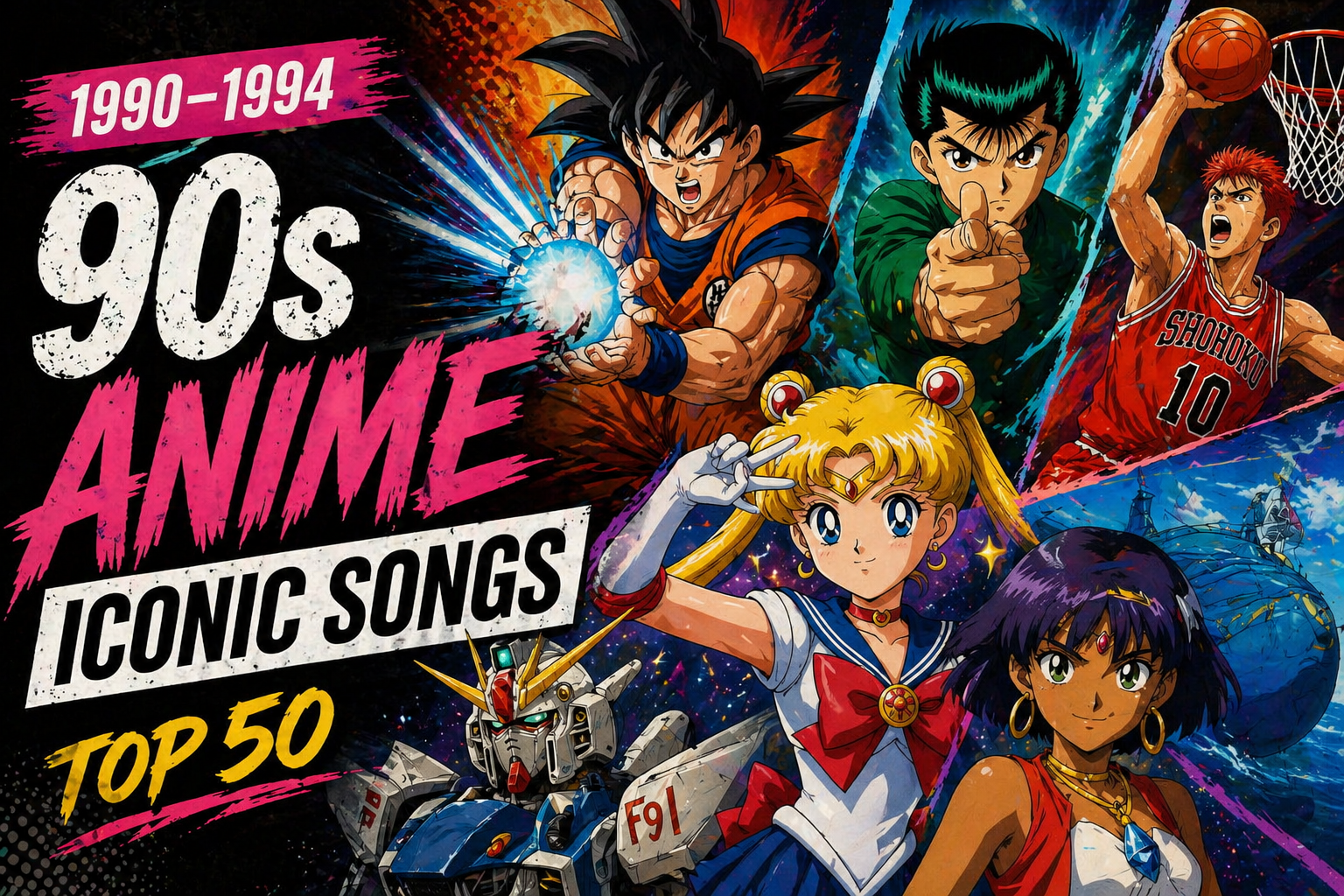
1990–1994 Japanese Anime Songs – Top 50
This guide introduces iconic opening and ending themes from 1990 to 1994.
Step into the 90s — the jukebox will open in a new window and start instantly.


Top Song of This List
WANDS – Sekai ga Owaru Made wa… (“Until the World Ends”)
Among them, one track that needs little introduction is “Sekai ga Owaru Made wa…”. For anime fans of the time, it is a song that stays with you. Its lyrics, expressing the fleeting nature of life, combined with a powerful sound that pushes back against despair, still resonate deeply today.
This song gained widespread support and achieved the remarkable feat of selling 1.22 million copies—a rare achievement for an anime tie-in song. Until then, anime songs were considered a niche market mainly for children, with limited commercial potential. This track changed that perception entirely.
Even now, the song has not faded. It still holds a timeless appeal, continuing to captivate listeners—even those who have never seen the original series.
Featured Anime

Nadia: The Secret of Blue Water
A landmark adventure anime of the early 90s.
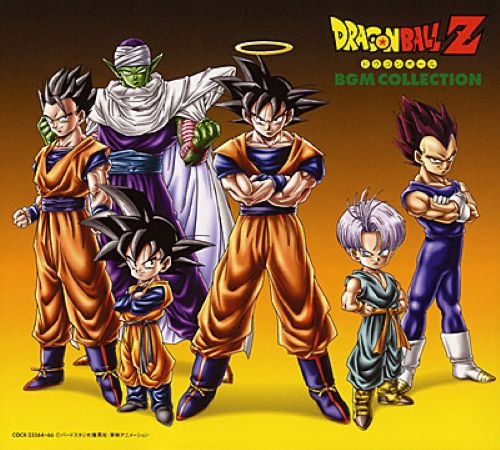
Dragon Ball Z
One of the defining anime franchises of the decade.
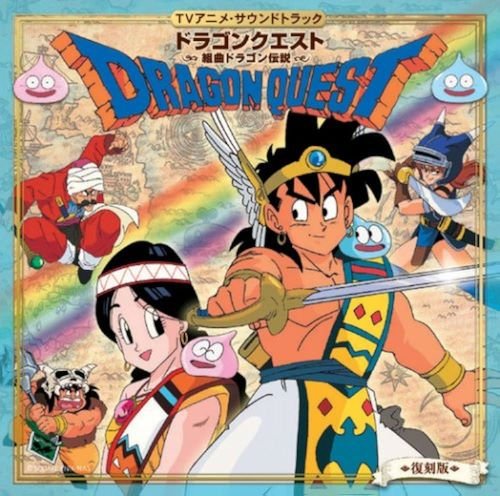
Dragon Quest
Fantasy adventure anime tied to the great RPG world.
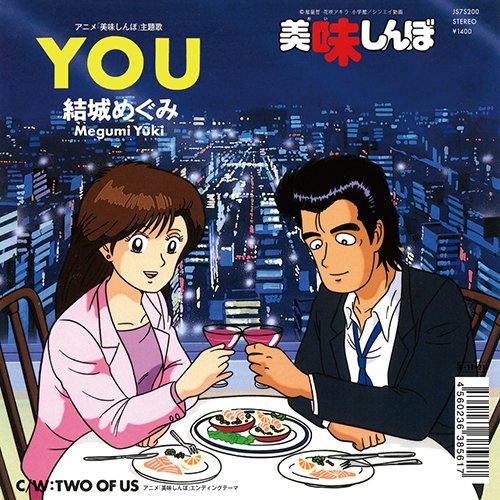
Oishinbo
Blending food, culture, and everyday Japan.
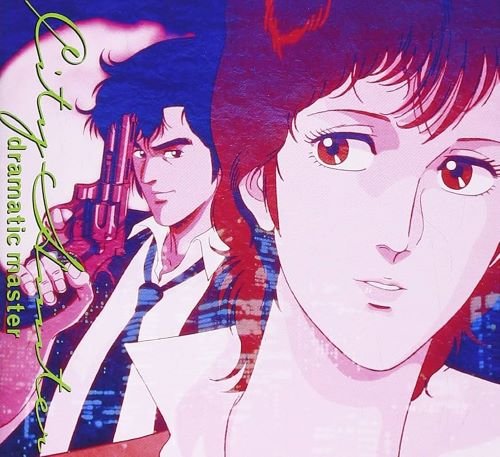
City Hunter
Urban action with a cool musical identity.
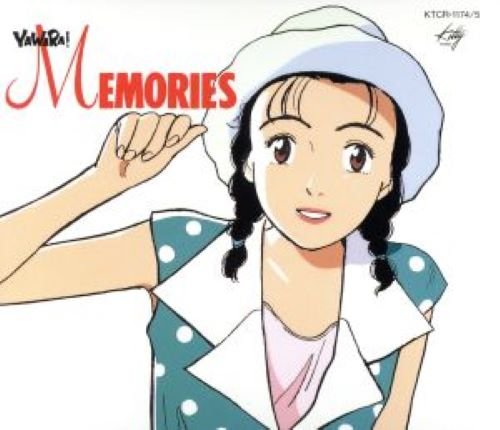
YAWARA!
A bright and charming sports anime of the early 90s.
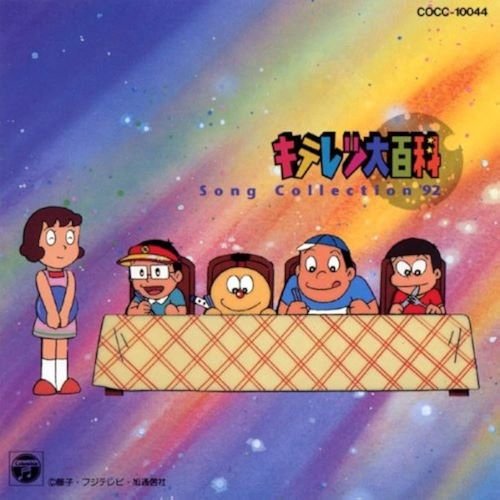
Kiteretsu Daihyakka
Nostalgic family anime with catchy songs.
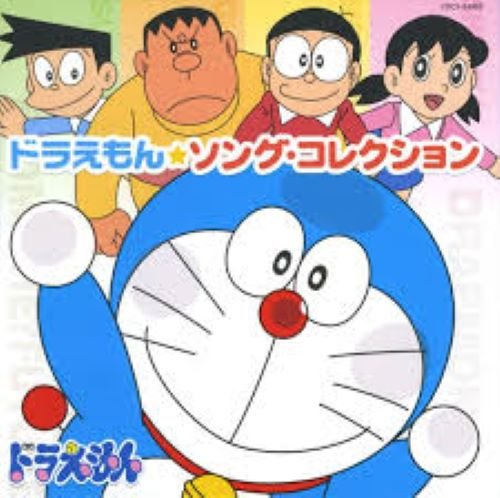
Doraemon
Japan’s most enduring and beloved family series.
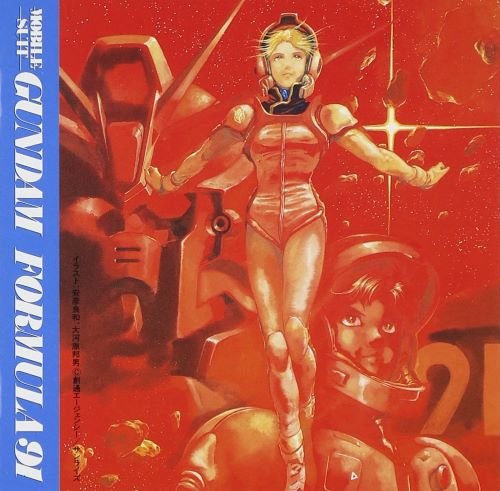
Mobile Suit Gundam F91
Grand scale and emotional music in the Gundam universe.
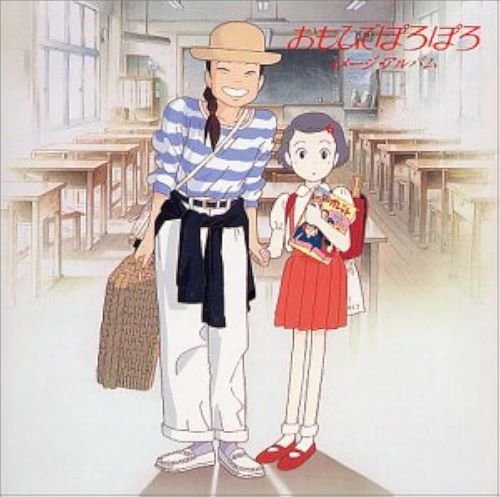
Only Yesterday
A Ghibli film with a deeply nostalgic atmosphere.
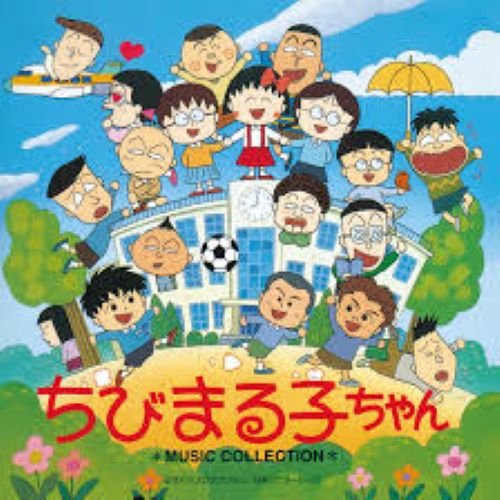
Chibi Maruko-chan
Capturing the warmth of everyday Japanese life.
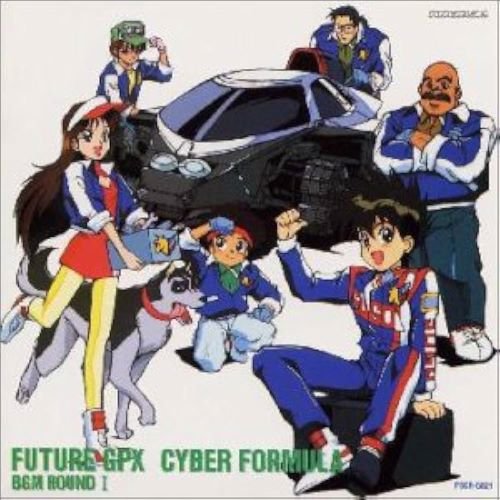
Future GPX Cyber Formula
Futuristic racing with high-energy appeal.
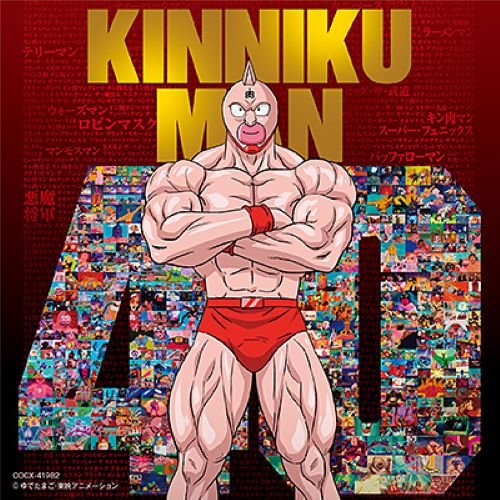
Kinnikuman
A classic battle-comedy with enduring popularity.
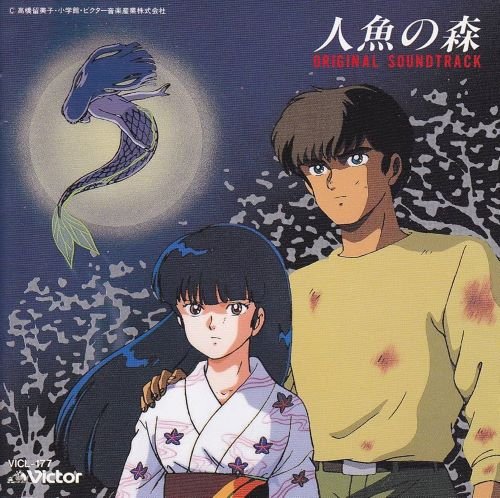
Mermaid Forest
Dark fantasy based on Rumiko Takahashi’s world.
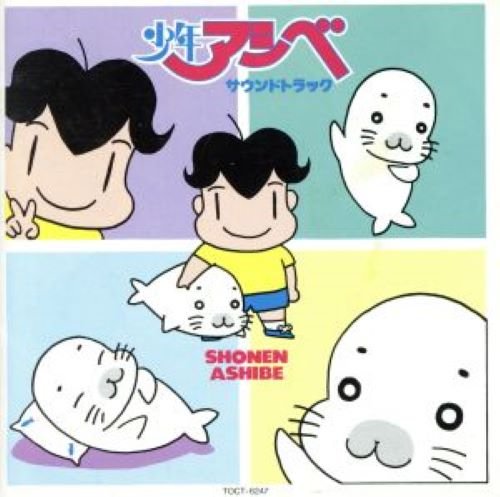
Shounen Ashibe
A gentle anime centered on childhood daily life.
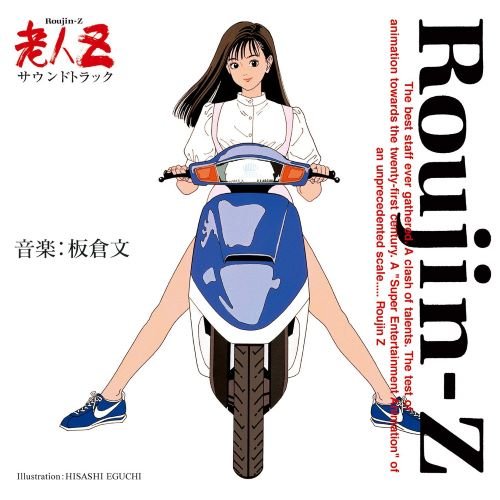
Roujin Z
Distinctive sci-fi film with a memorable mood.
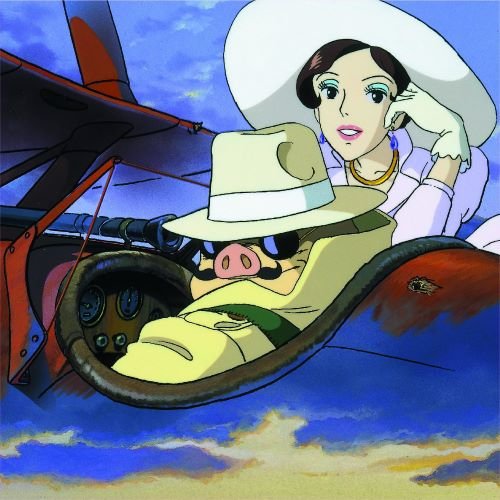
Porco Rosso
Nostalgia, romance, and the sky in a Ghibli classic.
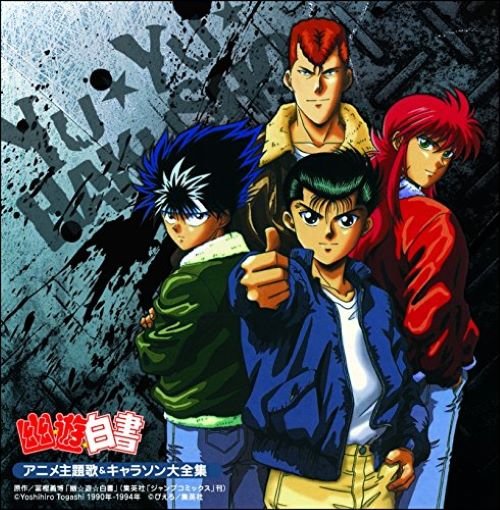
Yu Yu Hakusho
A legendary supernatural battle anime.
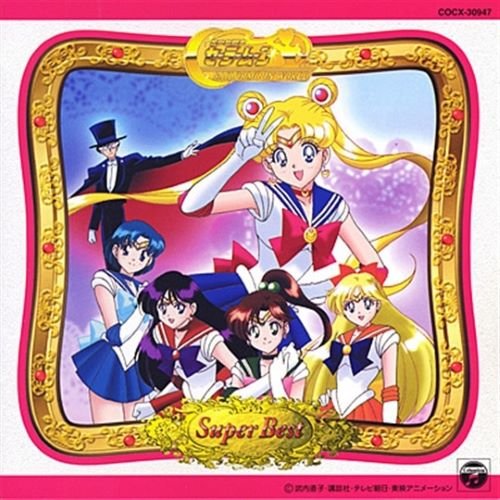
Sailor Moon
A global icon of magical girl anime.
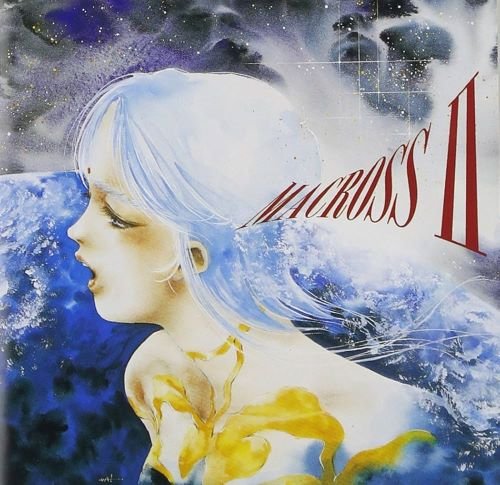
Macross II
A sequel with a strong musical identity.
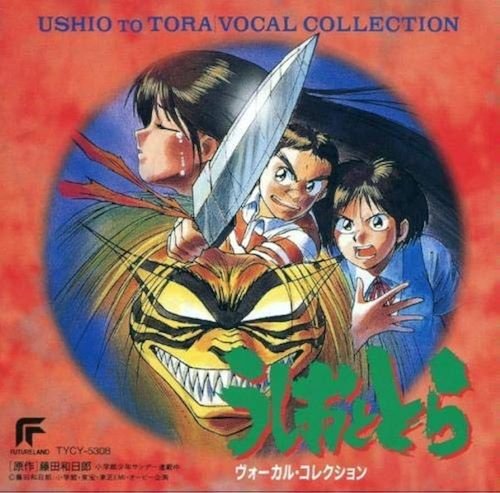
Ushio and Tora
A fierce supernatural action story.
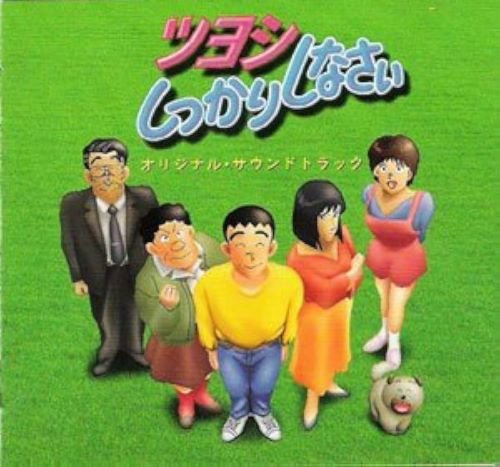
Tsuyoshi Shikkari Shinasai
Reflecting the easygoing side of the era.
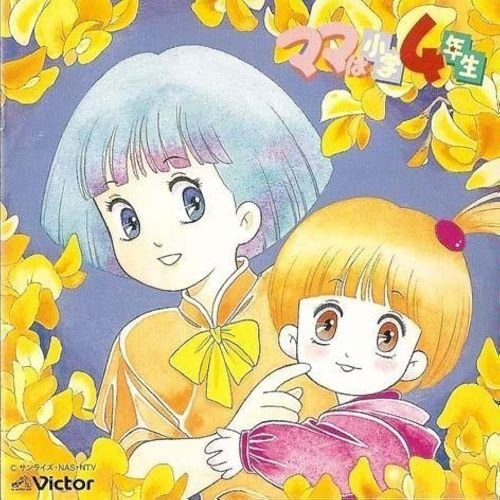
Mama Is a Fourth Grader
Warm and playful early-90s atmosphere.
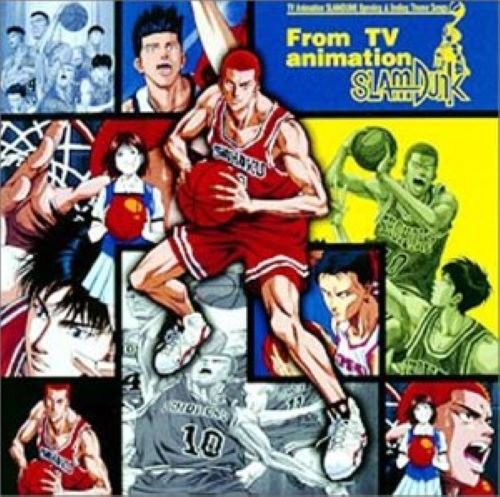
Slam Dunk
One of the biggest youth icons of the 90s.
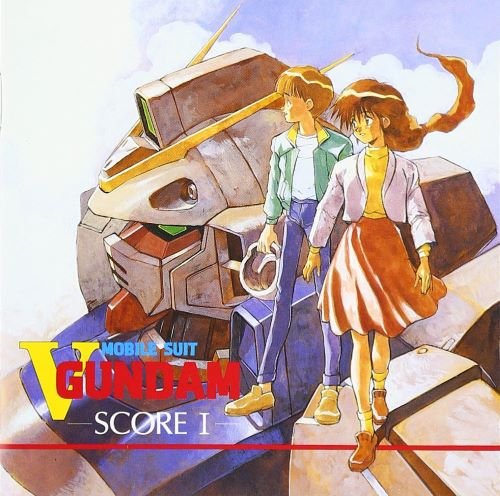
Victory Gundam
Gundam with a dramatic, intense atmosphere.
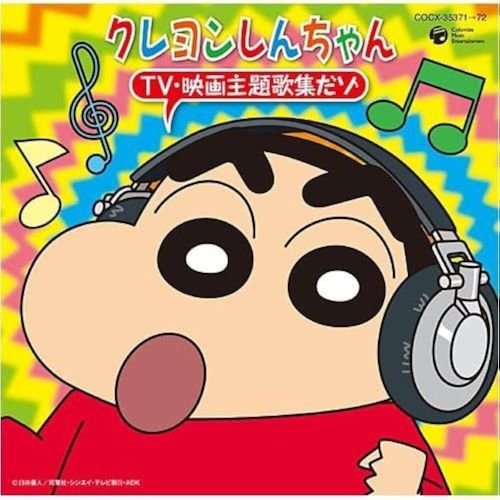
Crayon Shin-chan
Popular comedy with a distinct Japanese feel.
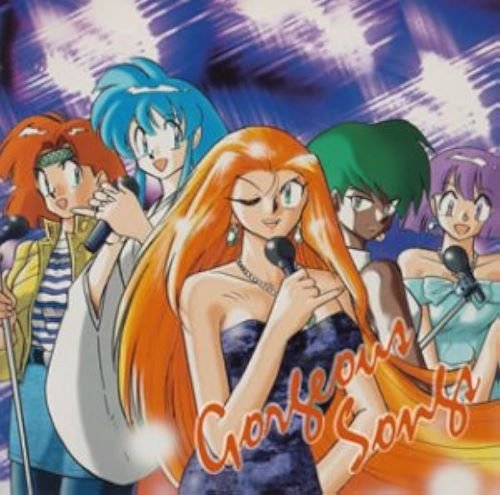
GS Mikami
Supernatural comedy-action with 90s energy.
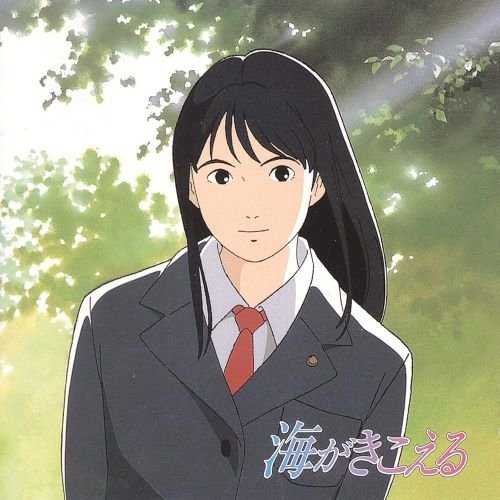
Ocean Waves
Coming-of-age story with a gentle tone.
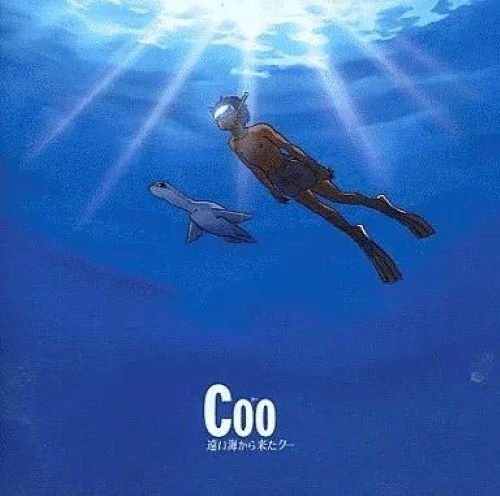
Coo
A moving family adventure from the early 90s.
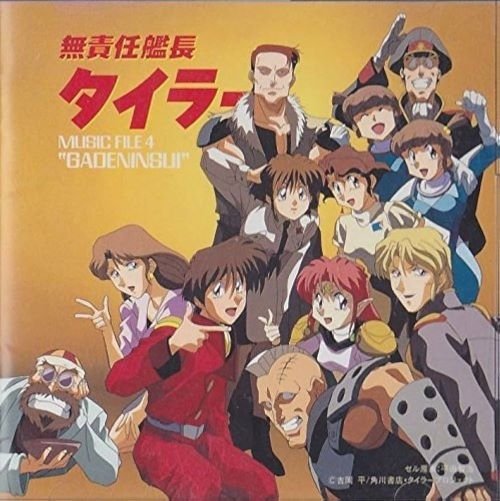
Captain Tylor
A witty space anime with a cult reputation.
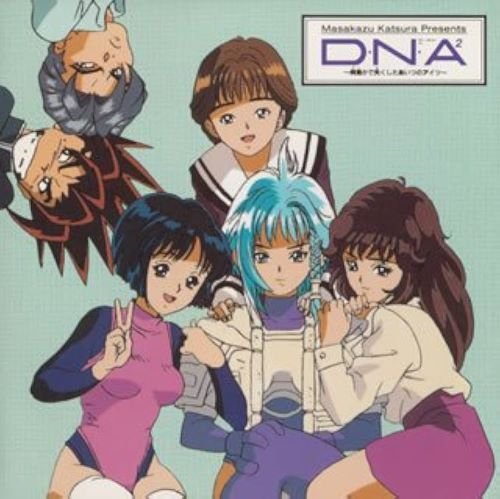
DNA2
90s sci-fi rom-com with a pop edge.
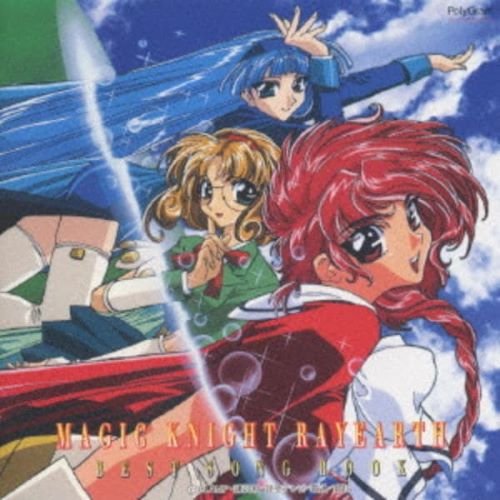
Magic Knight Rayearth
Fantasy adventure that became a major 90s favorite.
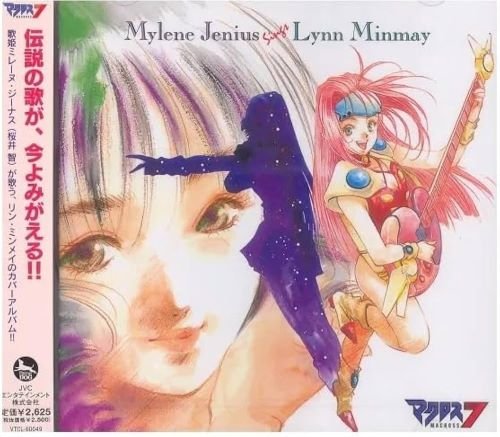
Macross 7
Representing 90s excess and musical passion.
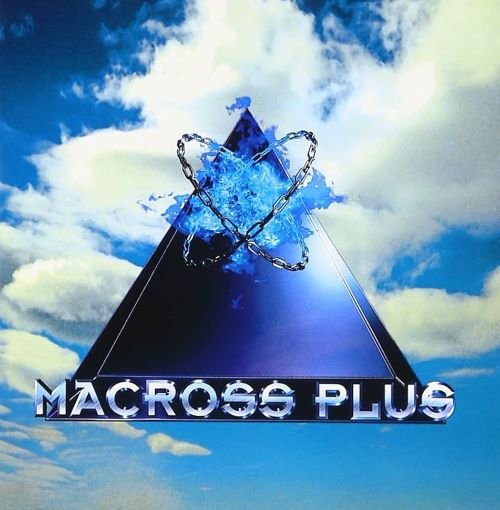
Macross Plus
Stylish OVA with futuristic sound and atmosphere.
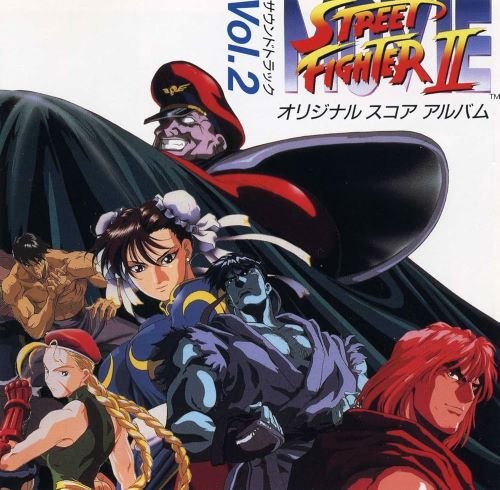
Street Fighter II
Tied strongly to 90s pop culture.
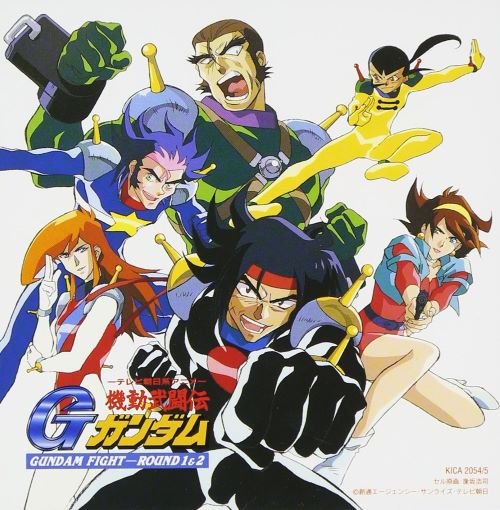
G Gundam
A bold Gundam series with unforgettable energy.
Blue Seed
Supernatural action with mid-90s style.
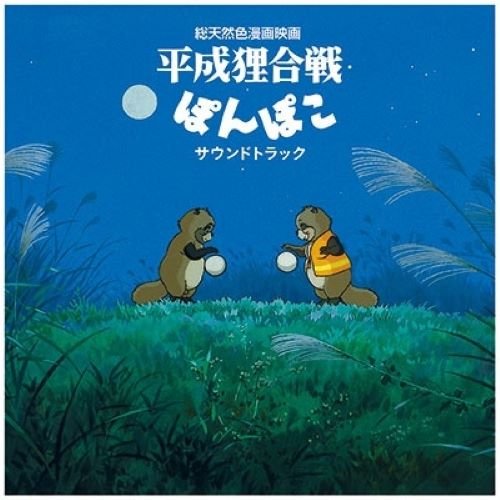
Pom Poko
Folklore, humor, and ecological themes from Ghibli.
About 90s Japanese Anime Songs
The cultural landscape of the time was filled with a wide range of subcultures—and among them, anime stood as one of the most prominent.
Back then, anime was still widely seen as something for children. Openly saying you liked it often meant being labeled as an “otaku.” It had yet to be fully accepted as part of mainstream culture.
However, that perception gradually began to change, influenced in part by works from Studio Ghibli and others like it.
The early 1990s became a turning point—a time when values were shifting, and that change was clearly reflected in the works of the era.
Anime songs carried that same atmosphere. A wide variety of music emerged, reaching across different ages and tastes, filled with drama and a strong sense of human emotion.
These songs were more than just accompaniment—they were expressions of a generation in transition, shaped by the uncertainty and energy of their time.


comment