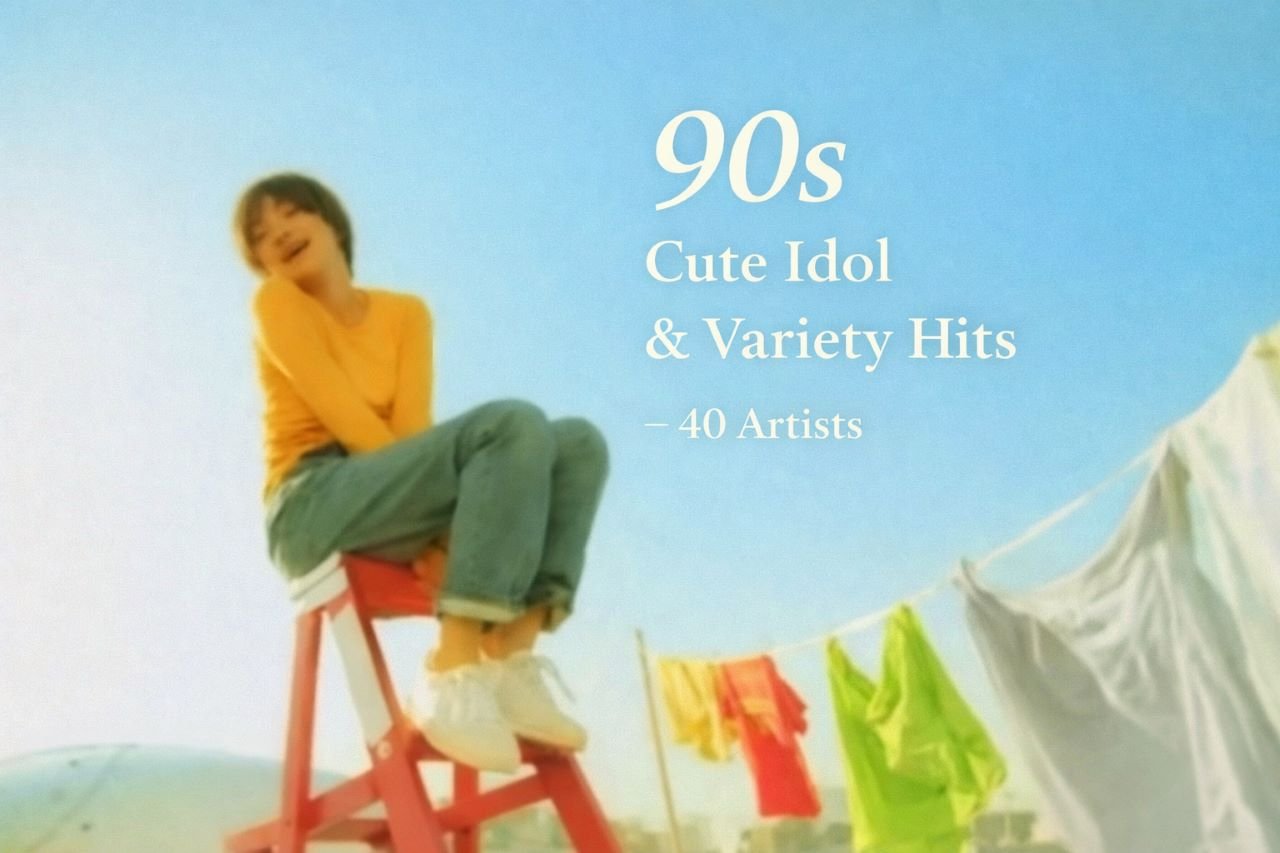
90s Cute Idol & Pop Variety Hits – 40 Artists
They moved beyond a single role,
appearing across music, television, film, and more.
This guide explores those iconic “idol-like” figures of the era—
and the songs that defined them.
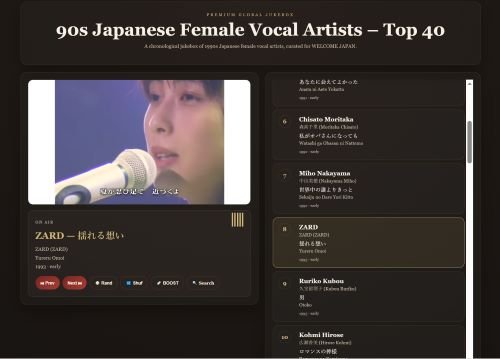
90s Cute Idol & Pop Variety Hits — the jukebox will open in a new window and start instantly.

Top Song of This List
Ryoko Hirosue – MajiでKoiする5秒前 (Maji de Koi suru 5-byo mae)
With overwhelming cuteness and a subtle sense of fragility,
she made her debut and quickly rose to fame.
Even in a decade when the traditional idea of “idols” was fading,
she stood out as someone who still felt unmistakably like one.
From commercials to music, TV dramas, and films,
her presence reached across every corner of entertainment.
In 2002, she even appeared as the heroine in the film WASABI,
directed by Luc Besson.
Her debut song, “Maji de Koi Suru 5 Byou Mae,”
captures that charm perfectly—
just watch the music video and you’ll understand.
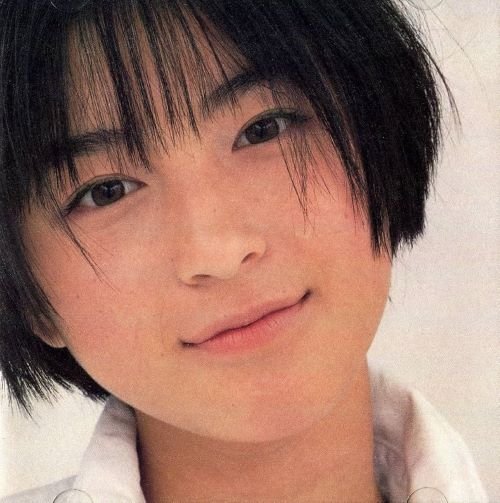
Ryoko Hirosue
“Maji de Koi suru 5-byo mae” – A sparkling pop anthem that captured the nation’s heart.
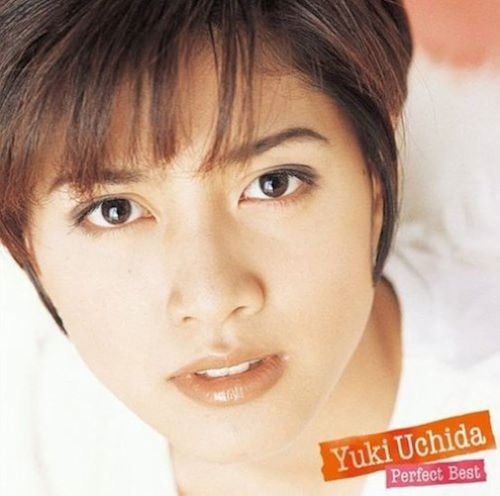
Yuki Uchida
“TENCA wo Torou!” – Dynamic energy from the era’s definitive boyish icon.
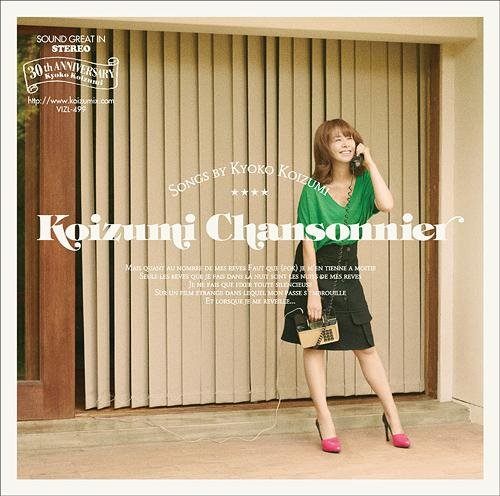
Kyoko Koizumi
“Yasashii Ame” (Gentle Rain) – A sophisticated and melancholic ballad from the eternal idol.
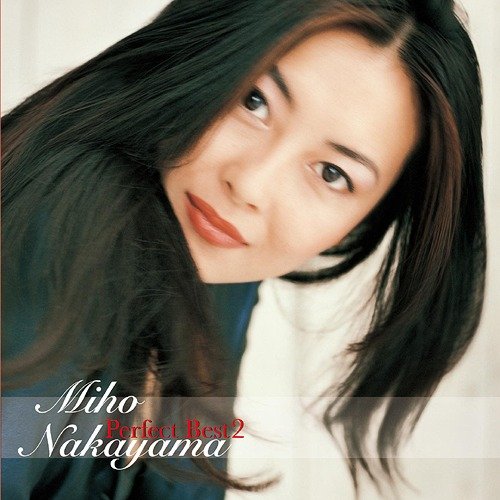
Miho Nakayama
“Tada Nakitaku naru no” – Emotional and grand balladry showcasing pure vocal beauty.
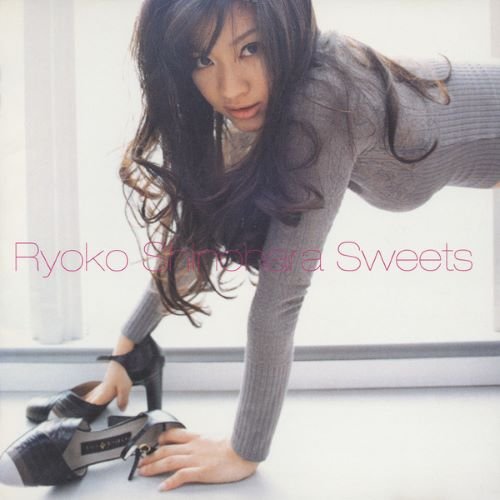
Ryoko Shinohara
“Itoshisa to Setsunasa to Kokorotsuyosa to” – The monumental TK-produced hit that sold millions.
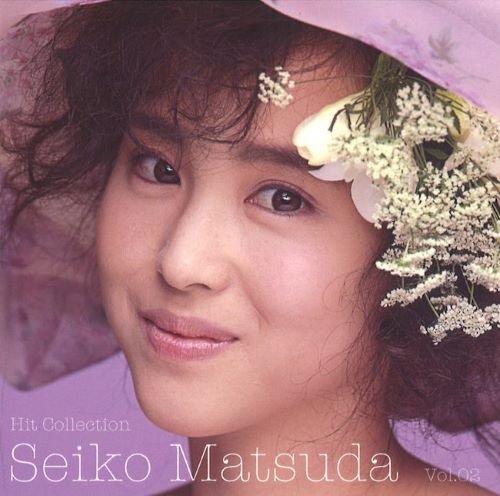
Seiko Matsuda
“Anata ni Aitakute” – A timeless masterpiece defining 90s mature pop.
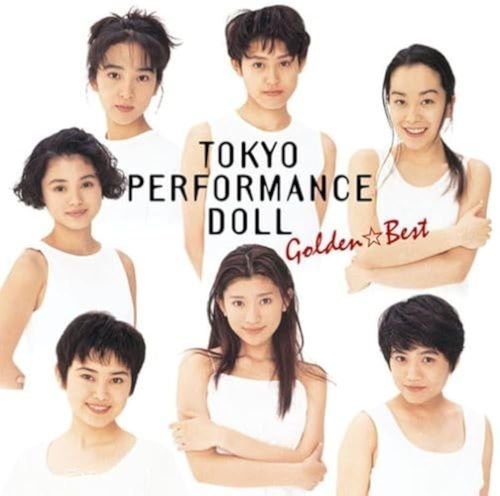
Tokyo Performance Doll
“CATCH!!” – High-energy dance-pop from the pioneering performance group.
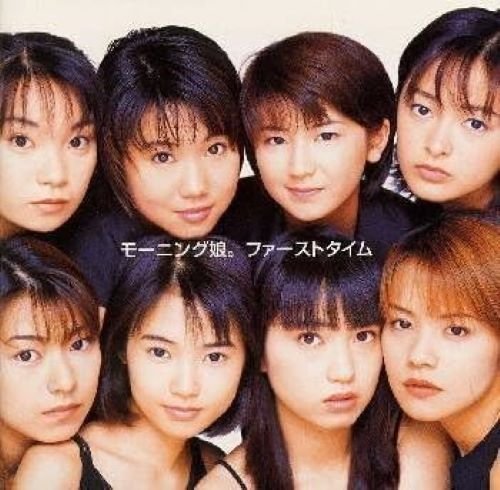
Morning Musume
“Furusato” (Hometown) – A nostalgic and warm melody from the dawn of the golden era.
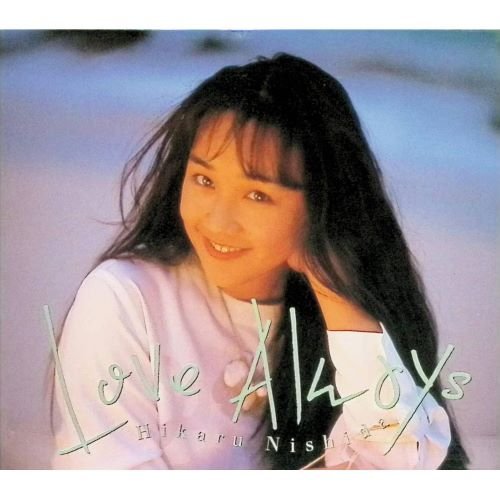
Hikaru Nishida
“Tokimeite” – Refreshing and cheerful vibes with a cosmopolitan touch.
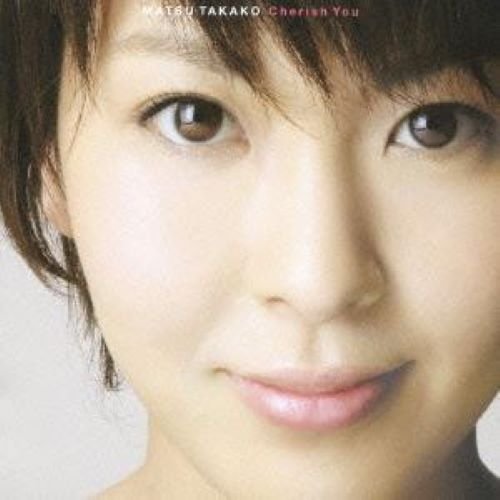
Takako Matsu
“Sakura no Ame, Itsuka” – Graceful and poignant songwriting with a beautiful vocal tone.
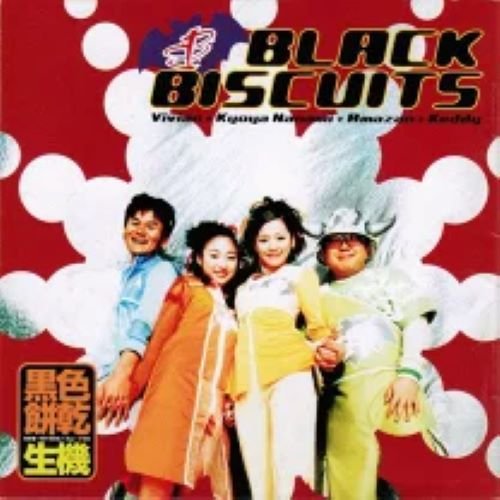
Black Biscuits
“Timing” – An infectious groove born from a legendary TV project.
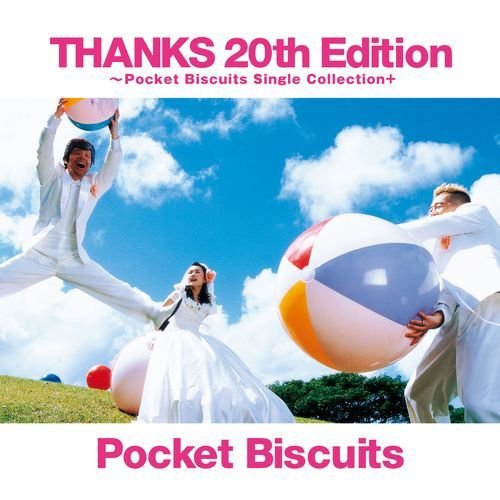
Pocket Biscuits
“YELLOW YELLOW HAPPY” – An uplifting anthem filled with courage and melody.
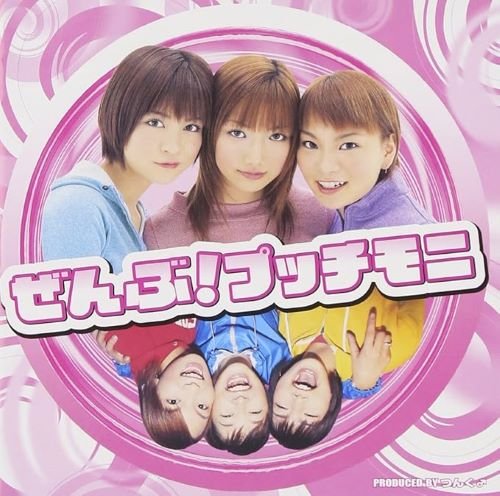
Pucchimoni
“Chokotto LOVE” – Playful and high-energy pop that swept through the charts.
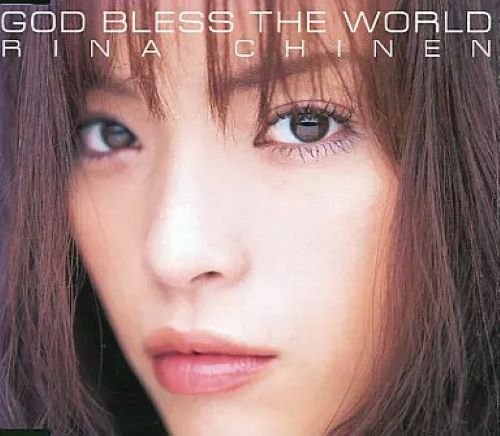
Rina Chinen
“DO-DO FOR ME” – Powerful dance-pop showcasing exceptional vocal and rhythm skills.
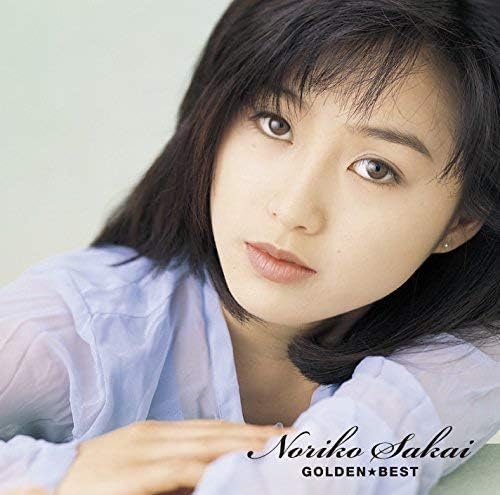
Noriko Sakai
“Aoi Usagi” (Blue Rabbit) – A deeply moving ballad that became a cross-generational classic.

Alisa Mizuki
“Densetsu no Shoujo” (Legendary Girl) – The debut masterpiece featuring an ethereal presence.
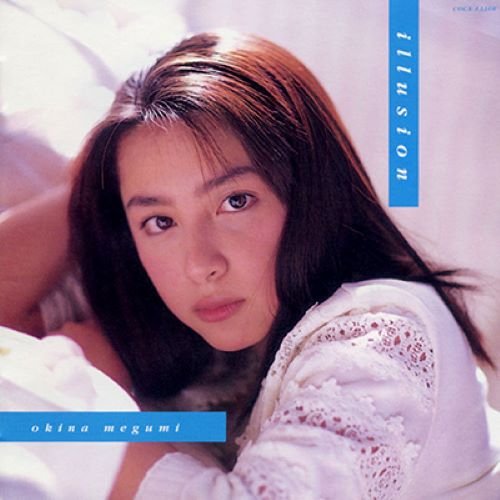
Megumi Okina
“Sonna no Kanashii ne” – Innocent and fragile beauty in a pure idol pop sound.
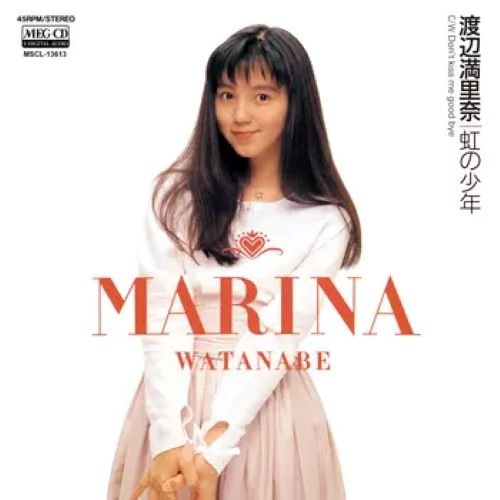
Marina Watanabe
“Ureshii Yokan” (Happy Anticipation) – A bright, feel-good tune with a nostalgic pop sensibility.

Asaka Seto
“Kono Jounetsu wa Diamond” – A powerful rock-inflected pop track from the star actress.
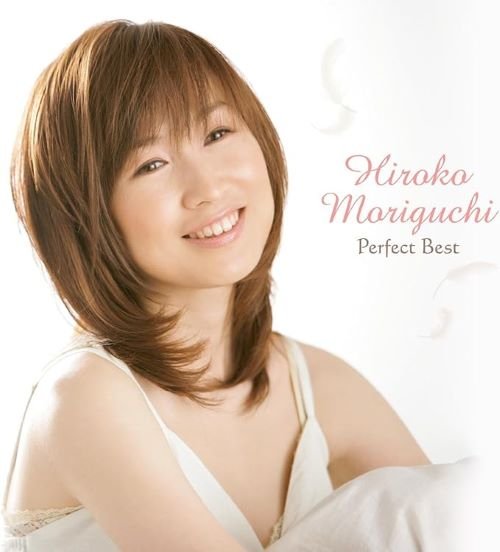
Hiroko Moriguchi
“ETERNAL WIND” – A majestic, soul-stirring vocal performance from a legendary era.

Akiko Hinagata
“Dream Self” – A catchy pop track from the iconic variety-show star.
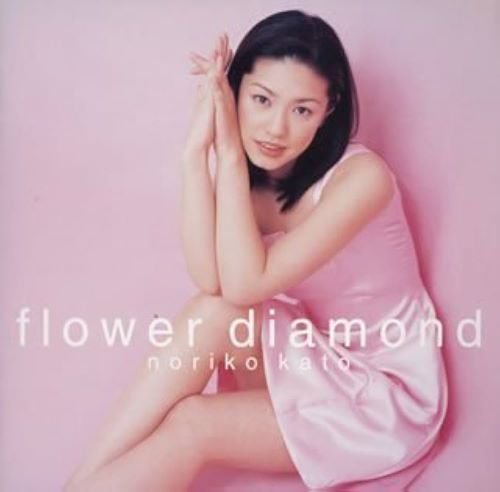
Noriko Kato
“Kondo Watashi…” – Charming and easy-listening pop with a sweet vibe.
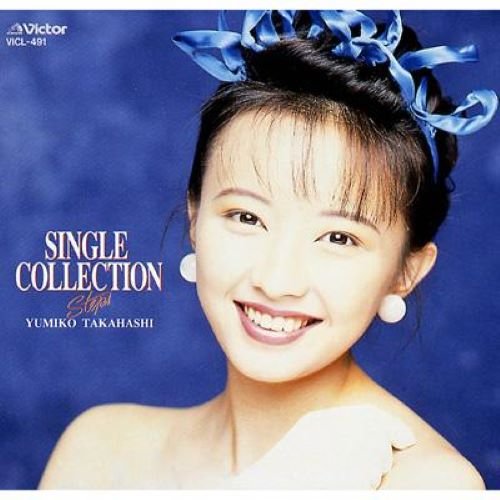
Yumiko Takahashi
“Tomodachi de ii kara” – The definitive early 90s anthem for the “good-girl” idol.
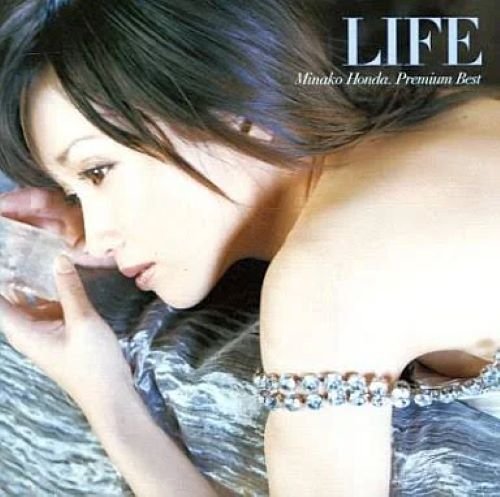
Minako Honda
Exceptional vocal range blending pop with theatrical power.
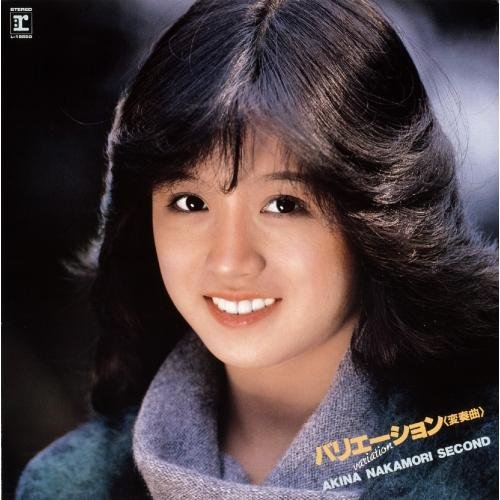
Akina Nakamori
A legendary diva whose 90s era brought deep, emotional maturity.

Emiri Nakayama
“Private Eyes” – Bright and stylish pop from a beloved TV personality.
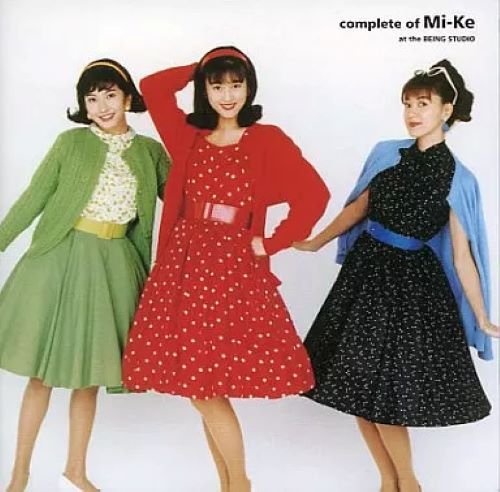
Mi-Ke
“Omoide no Kujukurihama” – Nostalgic GS-inspired vocal harmony at its best.
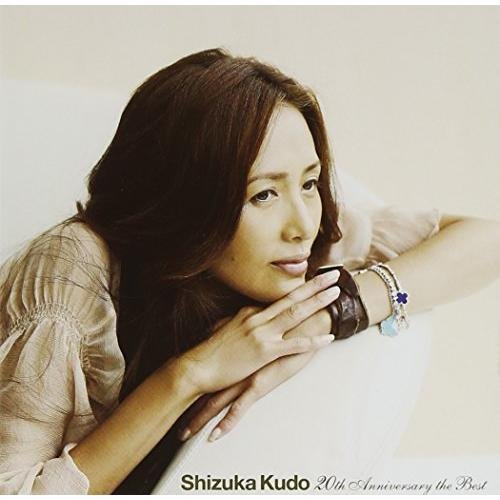
Shizuka Kudo
“Doukoku” (Wailing) – Charismatic vocals leading one of the era’s biggest hits.
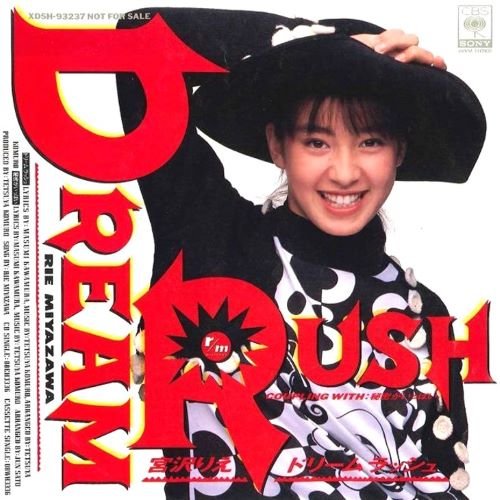
Rie Miyazawa
“NO TITLIST” – Pure idol magic from the legendary top star of the decade.

Yoko Minamino
“Film no Mukougawa” – Graceful pop melodies with a timeless idol glow.
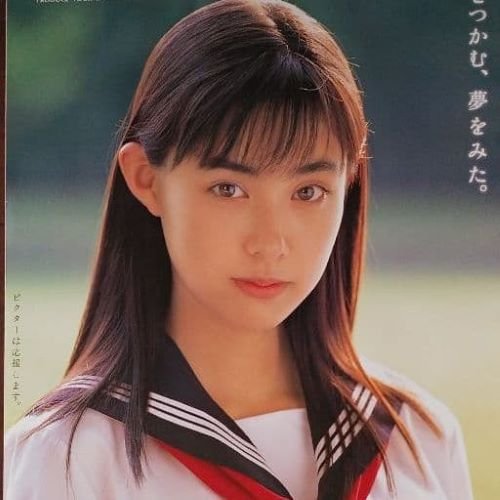
Kazue Fukiishi
“Sepia no Natsu…” – A rare musical gem from a distinguished actress.

Kyoko Fukada
“Saigo no Kajitsu” (The Last Fruit) – Ethereal pop that showcased her early charm.
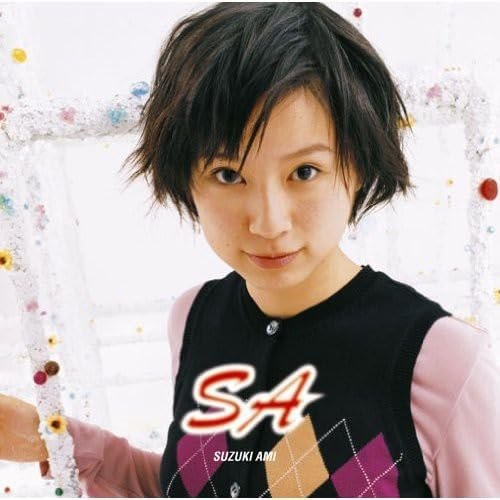
Ami Suzuki
“BE TOGETHER” – The definitive TK-produced dance-pop club anthem.
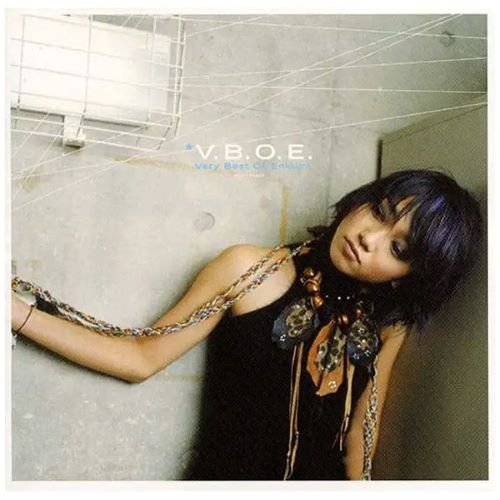
Kumiko Endo
“Suki nara” (If You Love Me) – Bright and energetic pop from the cheerful En-Kumi.
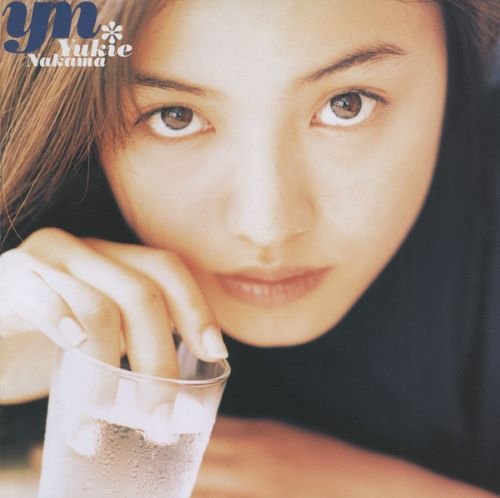
Yukie Nakama
“MOONLIGHT to DAYBREAK” – Early dance-pop roots of the future drama queen.
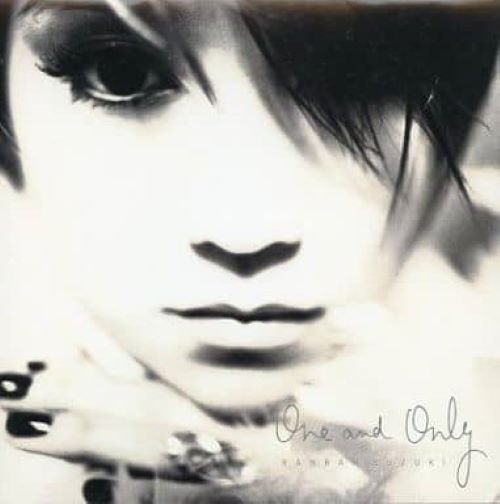
LanLan Suzuki
“Nande Nande Nande?” – High-energy, playful pop with a unique style.
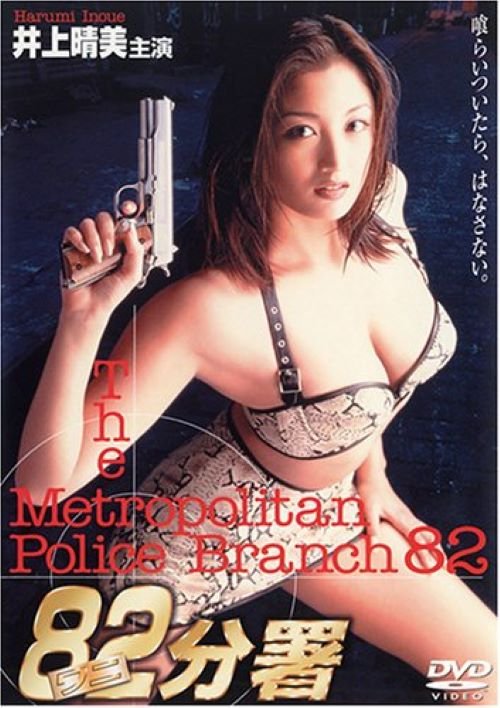
Harumi Inoue
“Furimukanaide” (Don’t Look Back) – A catchy pop-rock track from the star model.
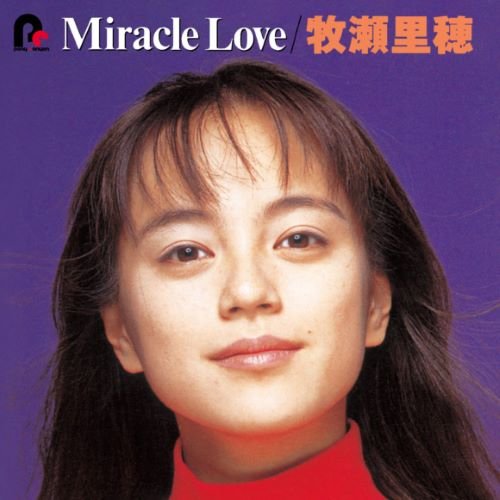
Riho Makise
“Miracle Love” – Sparkling pop magic from the beloved “3M” actress.
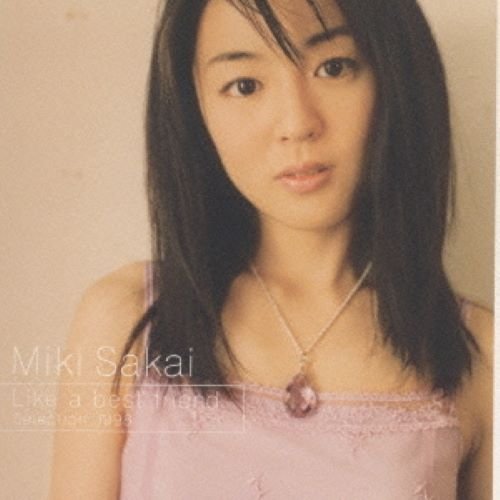
Miki Sakai
“Aoi Shisen” (Blue Gaze) – Gentle melodies reflecting her classic image.
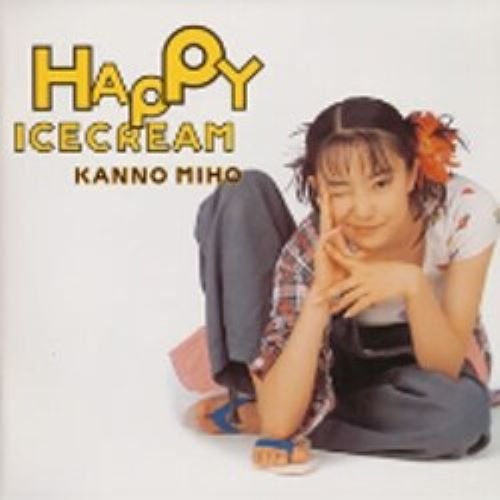
Miho Kanno
“Makenai Anata ga Suki” – Determined and sweet pop before her acting breakthrough.
About 90s Japanese Idols
It was no longer just about being cute—
it became about expressing many different kinds of appeal.
Singers, celebrities, actresses, and even gravure idols blended together,
and anyone with a unique charm could be seen as an “idol.”
The form kept changing, but the songs never stopped.
They continued to shine in their own ways—
sometimes climbing the charts,
and sometimes becoming something best left in the past.
It was an era driven by individuals and individuality.
You chose your own path.
You decided what was right.
And that was what the 1990s demanded—
from idols, and from the people who loved them.

comment