Before City Pop — Japan’s Naked Urban Dreams (50 Tracks)
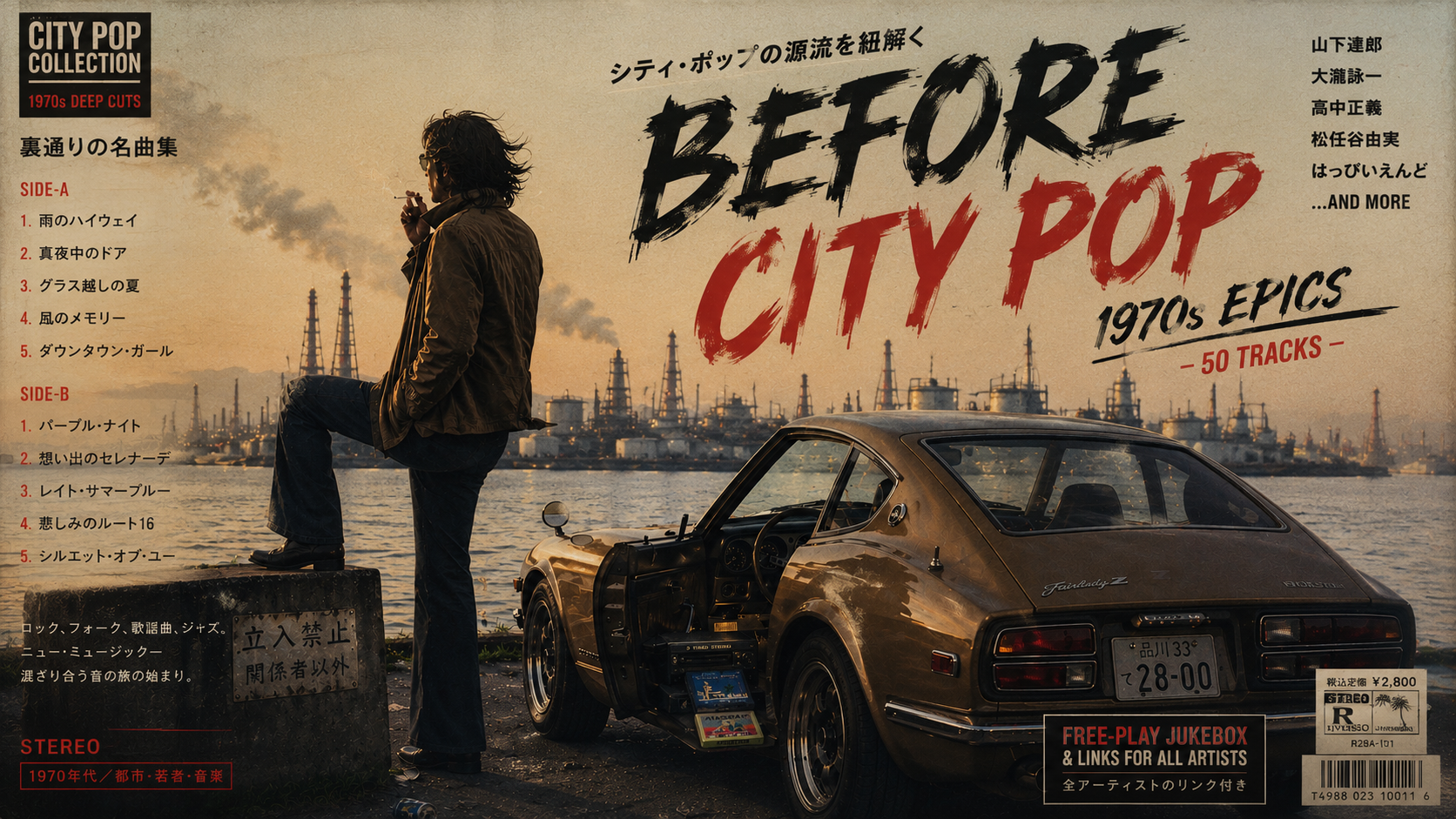
Before City Pop had fully taken shape.An era swept away by restless energy, chasing small dreams through the noise of rapid change.
The West was still a distant fascination.
Japan was still rough around the edges — highways rising through unfinished cities, neon beginning to glow over old streets.
Rock, folk, kayōkyoku, jazz, new music —
all flowing together into the roots of what would later become City Pop.
Ride the raw rhythms of a country learning the city.
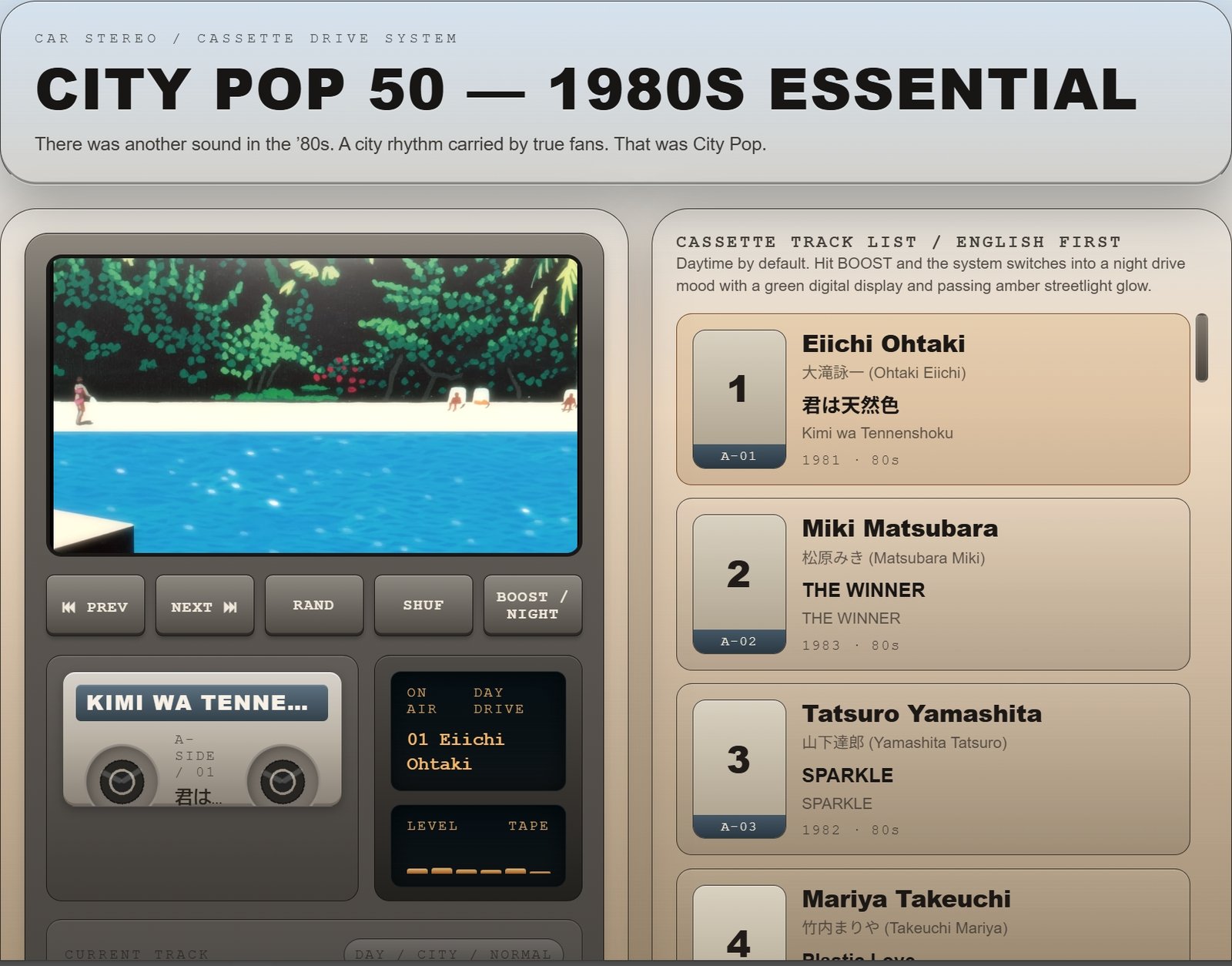
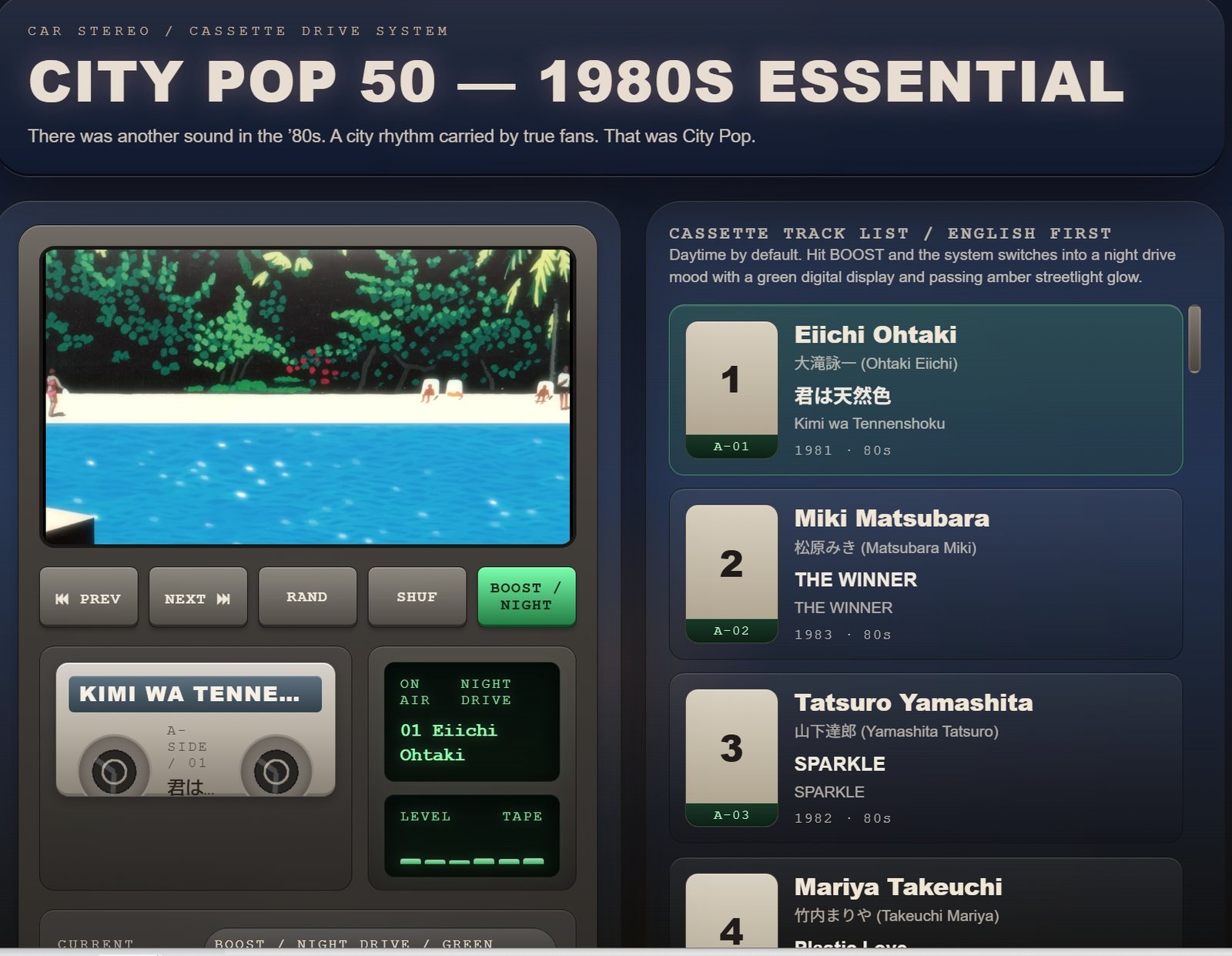
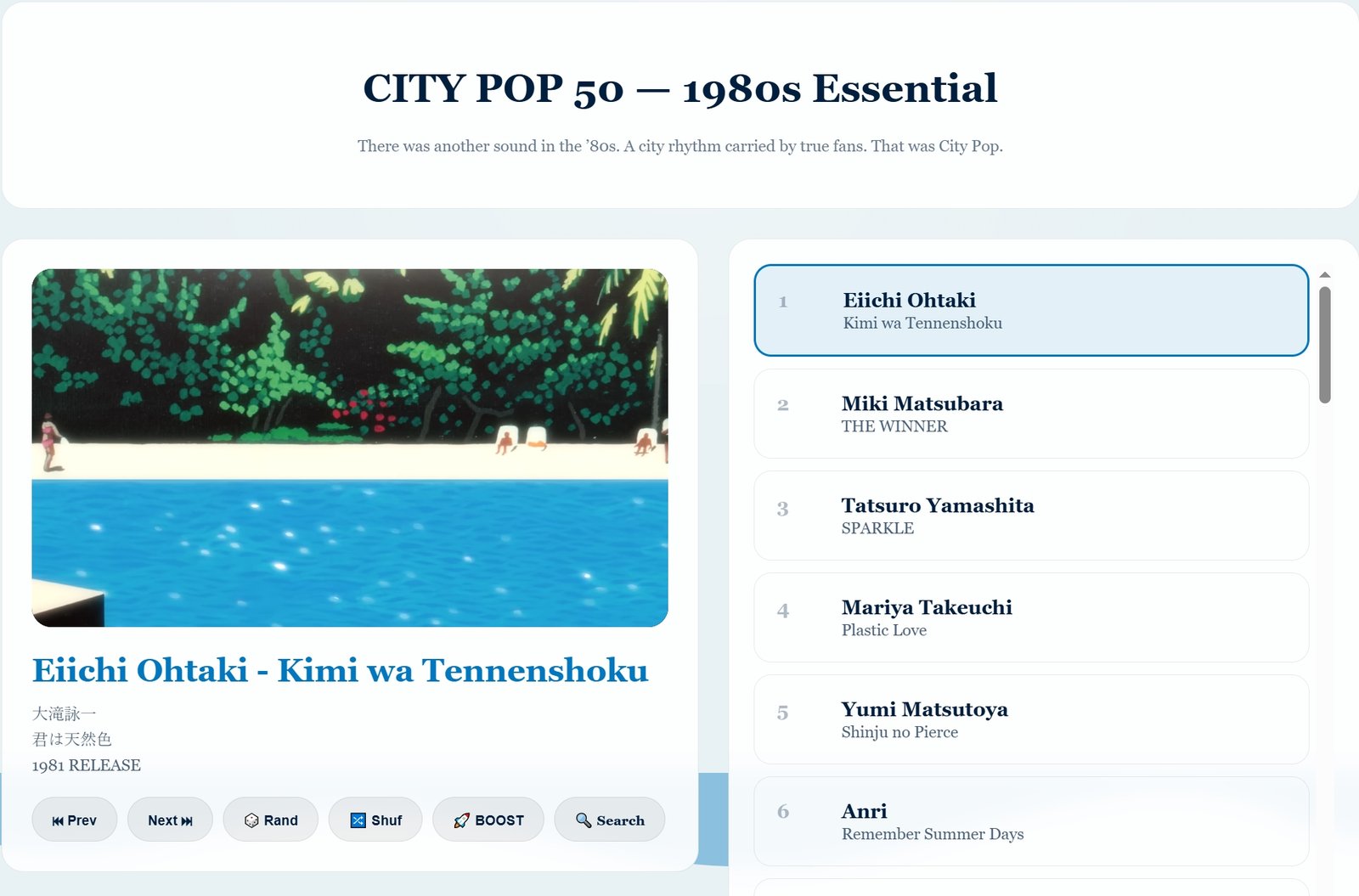
Before City Pop — the jukebox will open in a new window and start instantly.
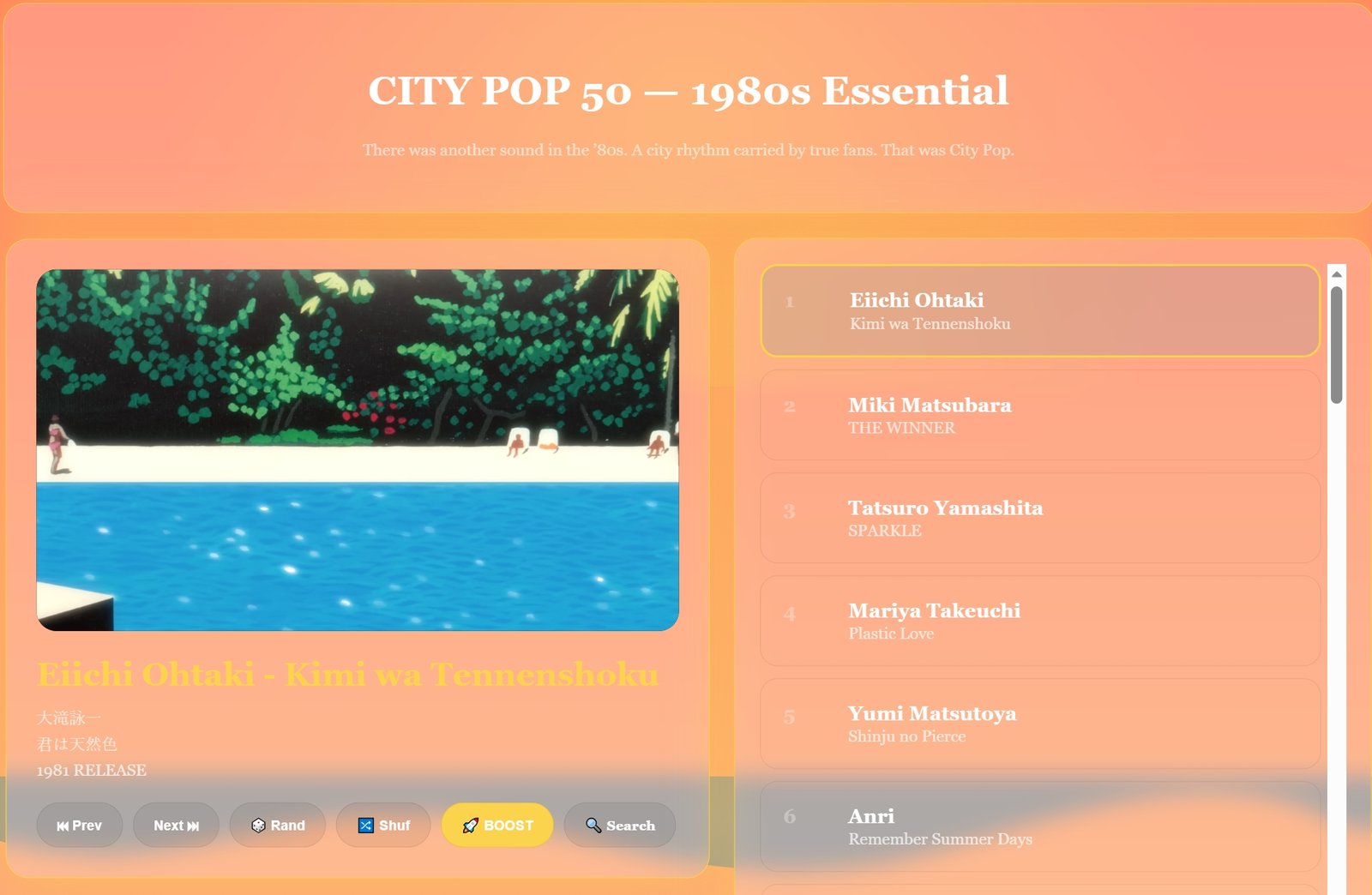
Top Song of This List
Tin Pan Alley – Apple Knocker
1970s Japan.Before City Pop had a name, there were musicians quietly building its foundation.
If artists like Tatsuro Yamashita and Yumi Matsutoya became the face of City Pop, then the deeper roots trace back to one legendary collective: Tin Pan Alley.
This is where it all began.
Yumi Matsutoya, Taeko Ohnuki, Minako Yoshida, Hi-Fi Set, Yoshitaka Minami, Tatsuro Yamashita, Haruomi Hosono, Ryuichi Sakamoto —
their worlds all crossed paths with Tin Pan Alley.
Calling them “legendary” almost feels too small.
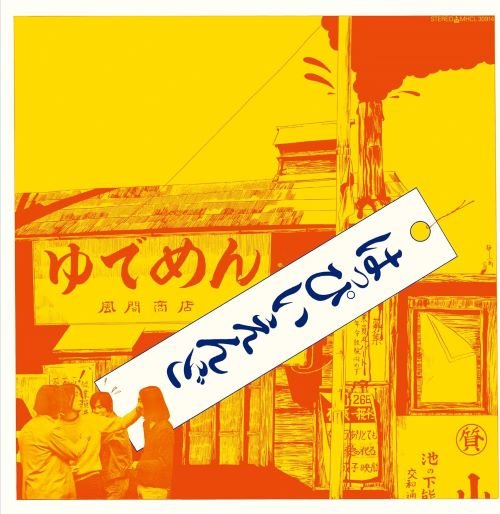
Happy End
“Natsu nandesu” – The revolutionaries of Japanese-language rock.
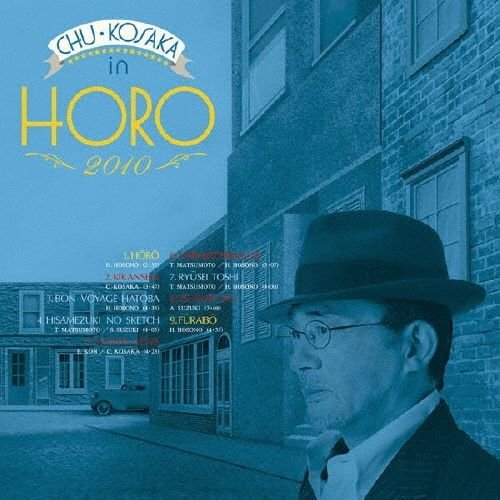
Chu Kosaka
“Shirakechimauze” – The soul and blues pioneer with a heartfelt voice.
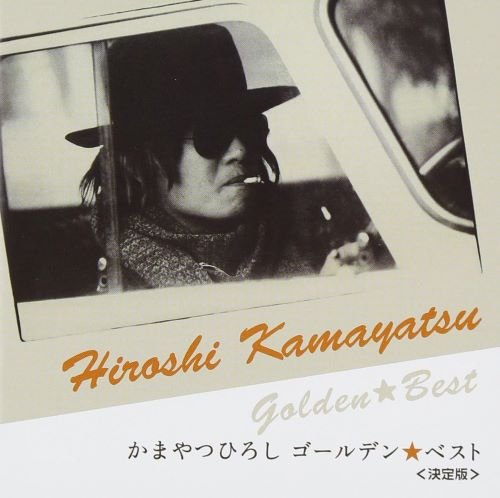
Hiroshi Kamayatsu
“Gauloises o Sutta Koto ga Aru kai” – A GS survivor and the trendsetter of his era.
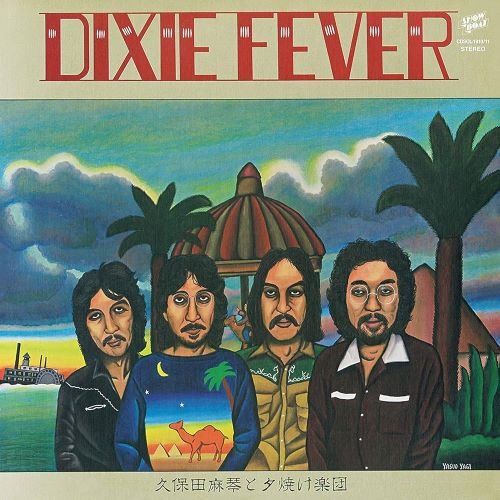
Makoto Kubota
“Hoshikuzu” – The master of exotic roots music.
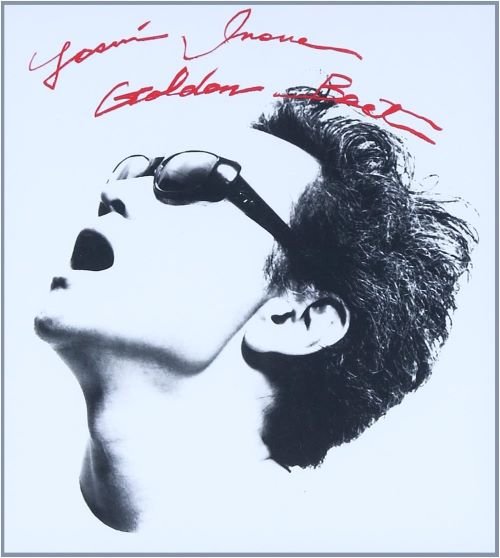
Yosui Inoue
“white” – A lyrical wizard who transcended the folk genre.
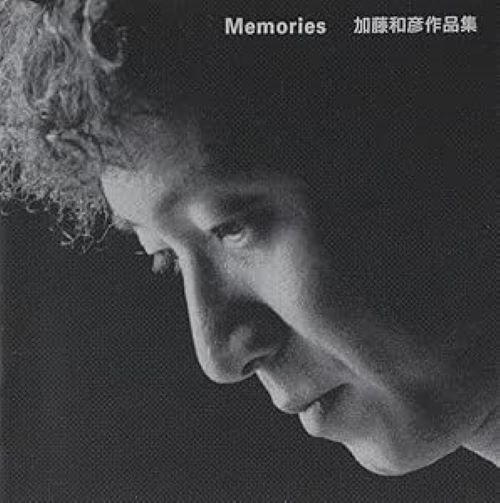
Kazuhiko Kato
“Gardenia” – The visionary with a sophisticated European aesthetic.
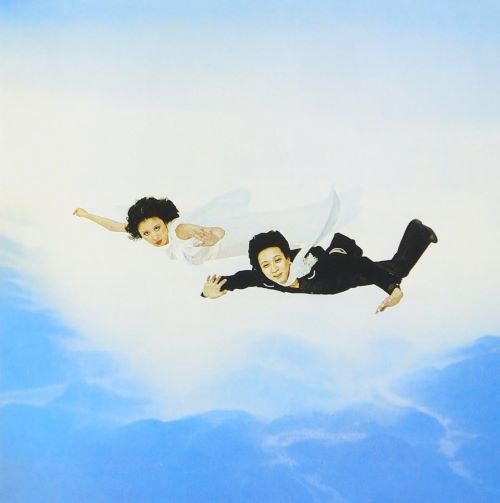
Sadistic Mika Band
“Time Machine ni Onegai” – The legendary band that took the world by storm.

BUZZ
“Machi no Uta” – Crystal-clear folk-pop harmony.
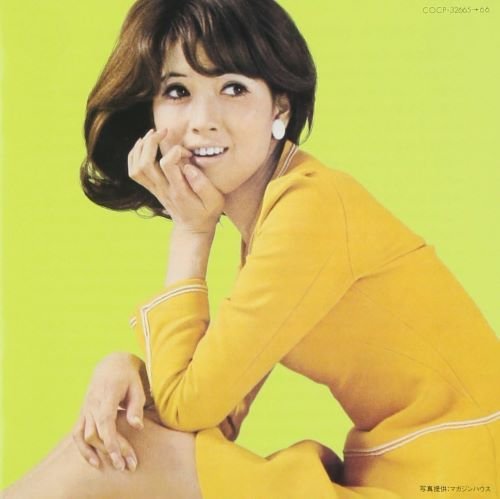
Ayumi Ishida
“Watashi Jishin” – A Kayōkyoku miracle backed by Tin Pan Alley.
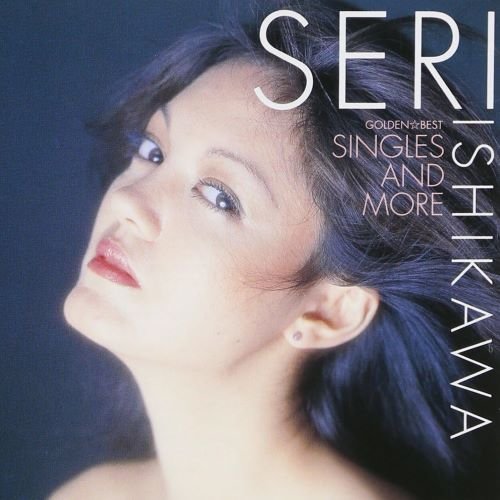
Seri Ishikawa
“Moonlight Surfer” – The queen of ennui and late-night vibes.
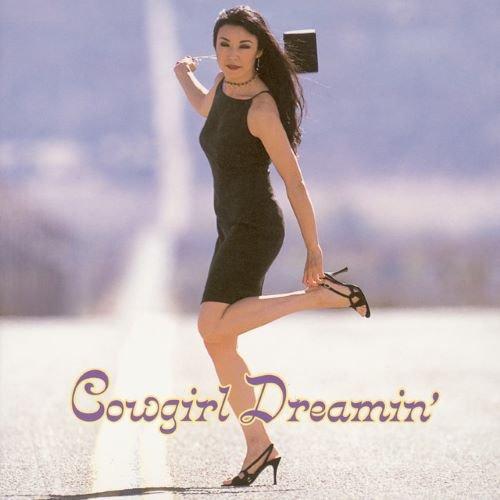
Yumi Arai
“Chuo Freeway” – The queen who defined the urban dream.
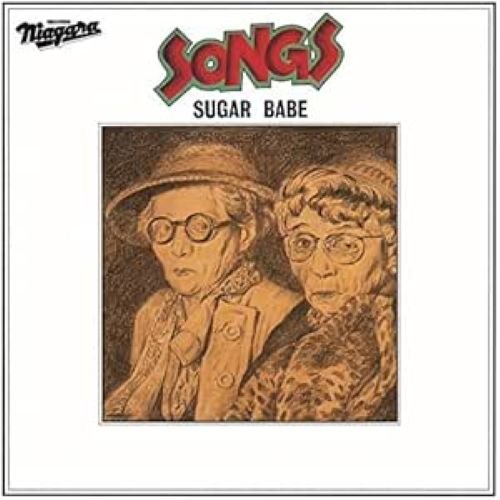
Sugar Babe
“DOWN TOWN” – The pioneers who sowed the seeds of City Pop.
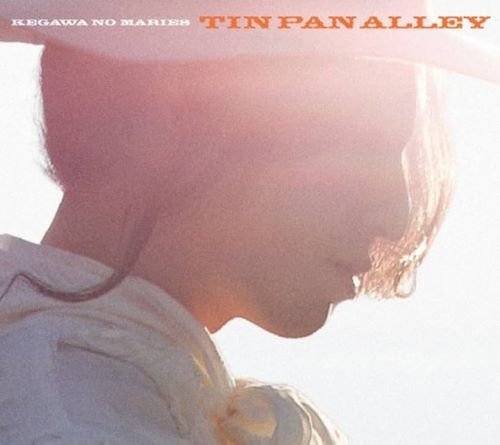
Tin Pan Alley
“Apple Knocker” – The elite craftsmen who defined the era’s sound.
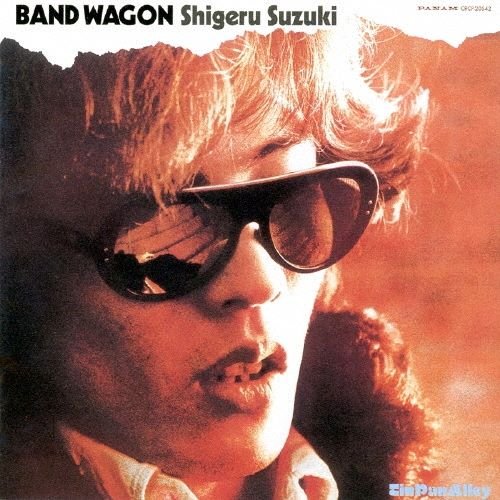
Shigeru Suzuki
“Binetsu Shonen” – The pinnacle of Japanese slide guitar.
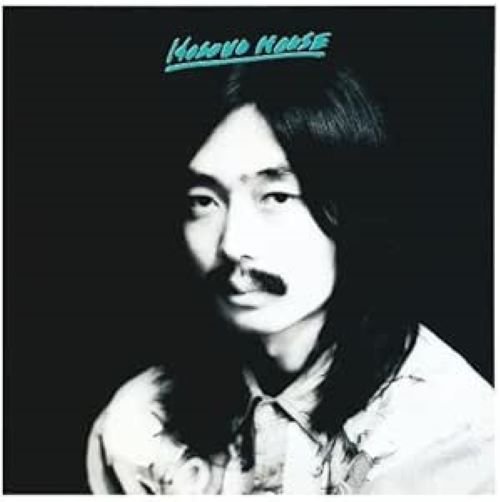
Haruomi Hosono
“Peking Duck” – The musical seeker on a tropical journey.
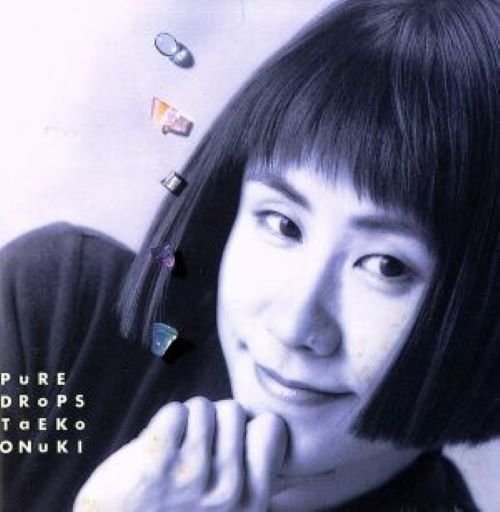
Taeko Onuki
“Tokai” – The origin of a dignified and pure aesthetic.
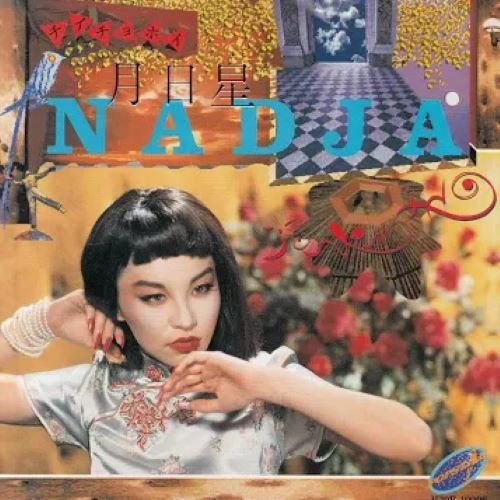
Minako Yoshida
“Koi wa Ryusei” – The ultimate and incomparable funk diva.
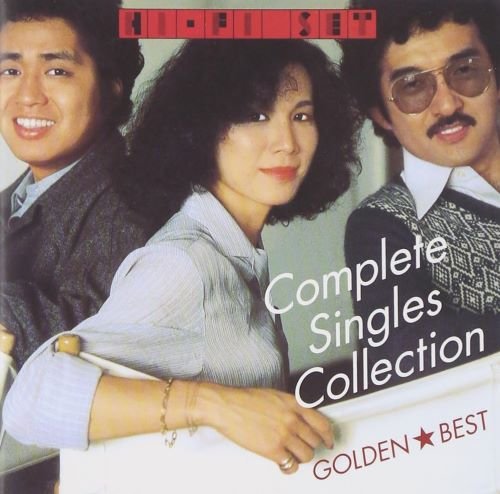
Hi-Fi Set
“Sky Restaurant” – The peak of sophisticated vocal choruses.
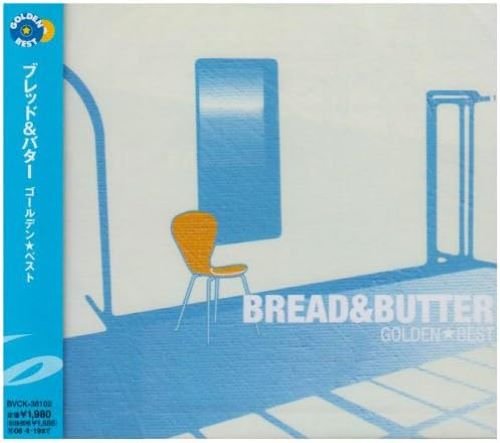
Bread & Butter
“Pink Shadow” – The fountainhead of Shonan mellow vibes.
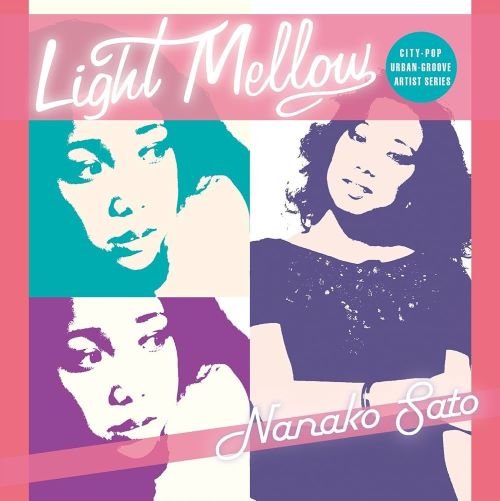
Nanako Sato
“Subterranean Futari Bocchi” – The edgy ennui of the city night.
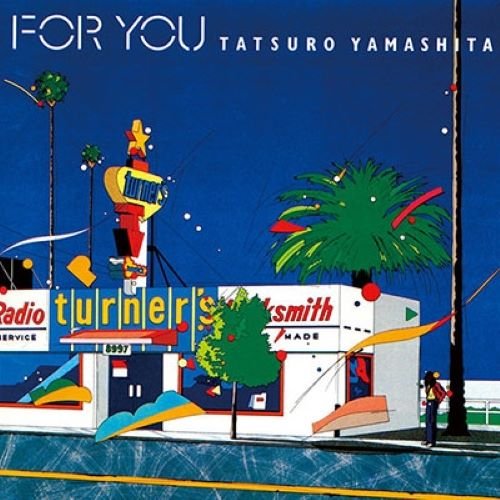
Tatsuro Yamashita
“Love Space” – The perfectionist craftsman of timeless pop.
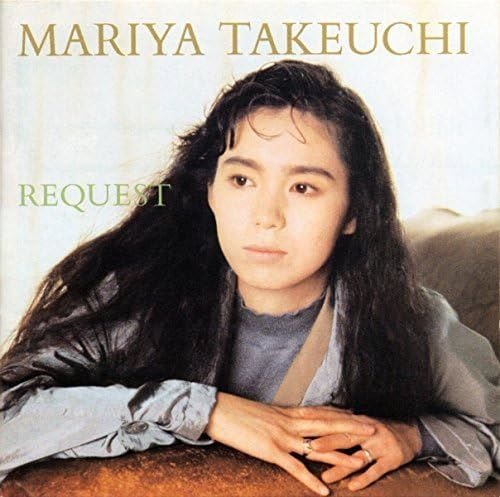
Mariya Takeuchi
“SEPTEMBER” – Pop sensibility that captivated the world.
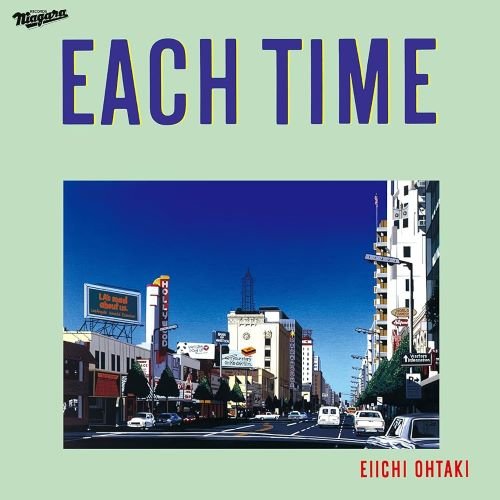
Eiichi Ohtaki
“Yume de Aetara” – The architect of the legendary Niagara Sound.
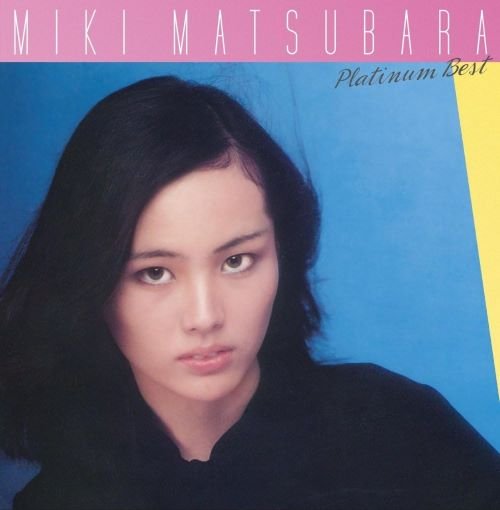
Miki Matsubara
“Mayonaka no Door” – The voice that became a universal language.
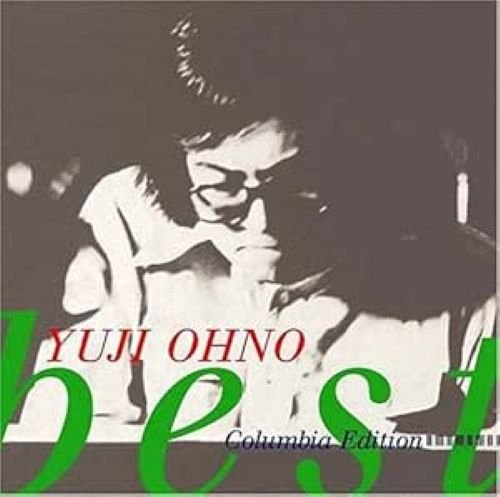
Yuji Ohno
“Theme From Lupin III ’78” – The man who redefined anime music as Jazz-Fusion.
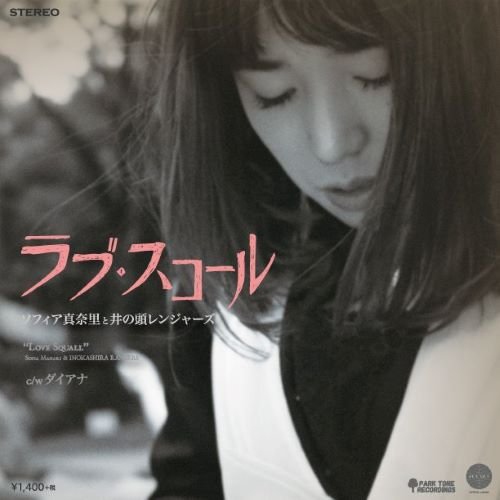
Fujiko Mine’s Theme
“Love Squall” – The ultimate peak of sexy grooves.
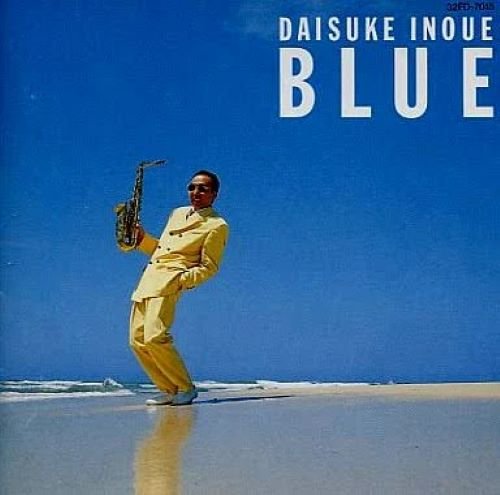
Daisuke Inoue
“Dancing Shadows” – The emotional genius bridging Pop and Western music.
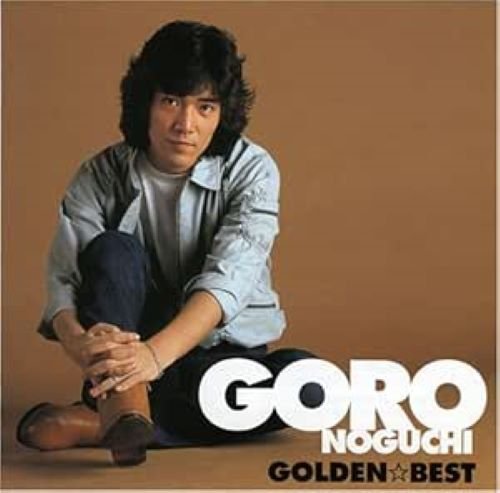
Goro Noguchi
“Good Luck” – An idol with world-class guitar technique and passion.
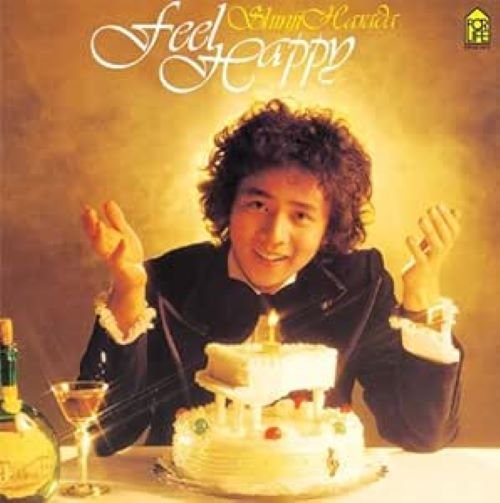
Shinji Harada
“Time Travel” – The teen genius with a fully realized musical sense.
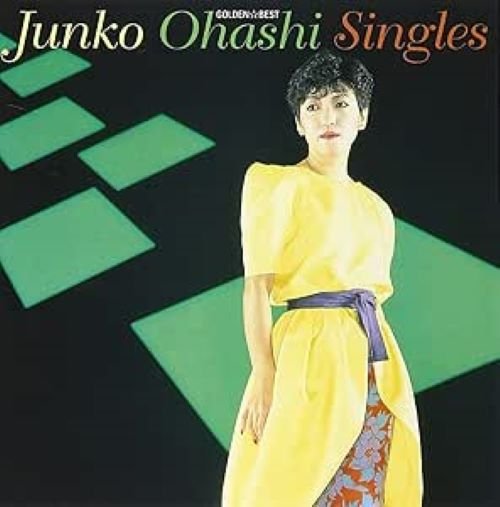
Junko Ohashi
“Crystal City” – A powerful, world-standard funky voice.
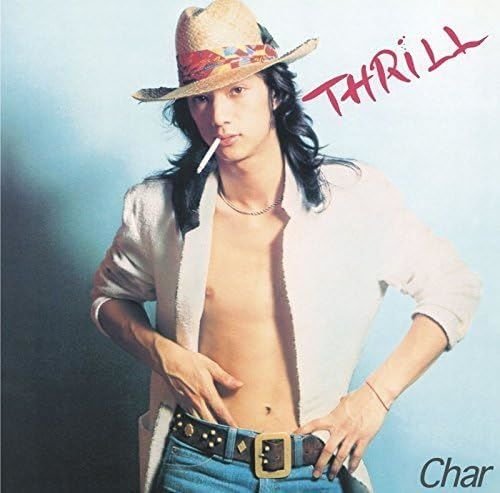
Char
“Smoky” – The hero who turned the guitar into a weapon.
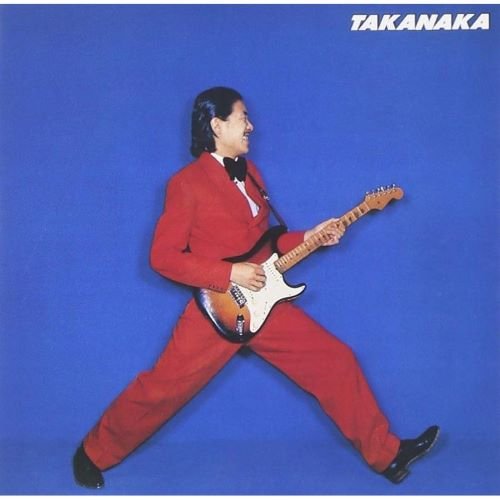
Masayoshi Takanaka
“Sweet Agnes” – The vivid guitarist who turned summer into sound.
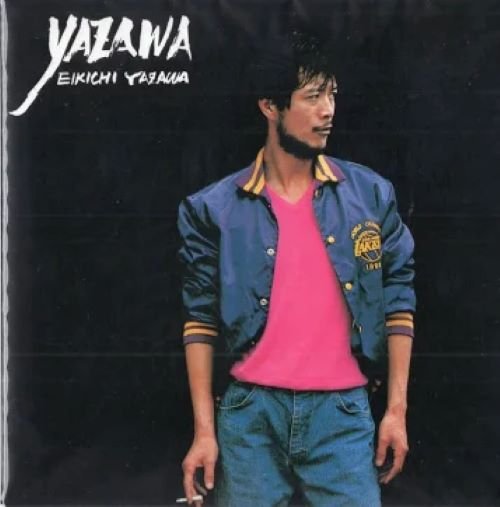
Eikichi Yazawa
“Jikan yo Tomare” – The king of rockabilly soul and the “self-made man”.
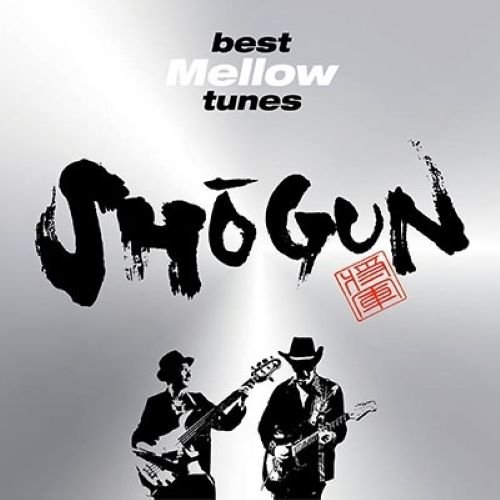
SHOGUN
“Otokotachi no Melody” – The arrival of tight, professional studio rock.
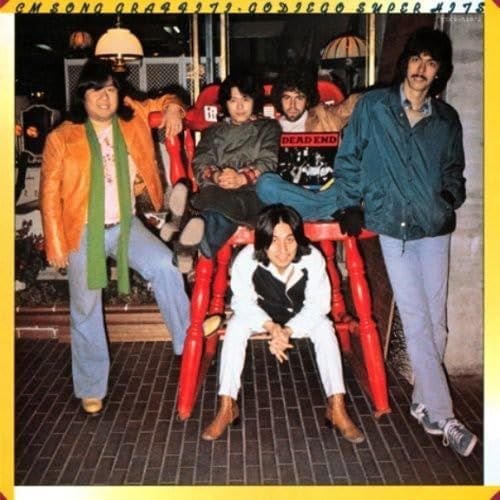
Godiego
“Boku no Salad Girl” – The band that hit the world stage with English lyrics.
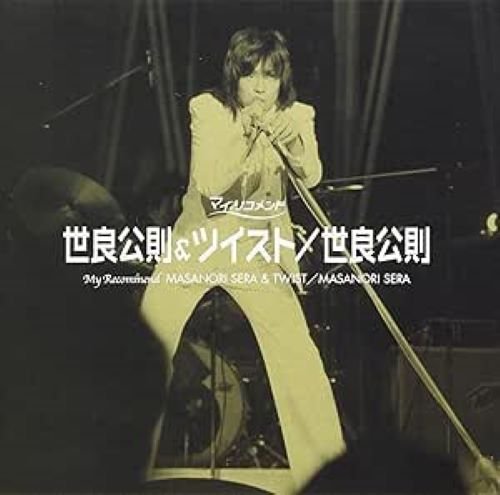
Masanori Sera & Twist
“Banen -BURNING POINT-” – The explosive energy of hard-rocking Kayōkyoku.
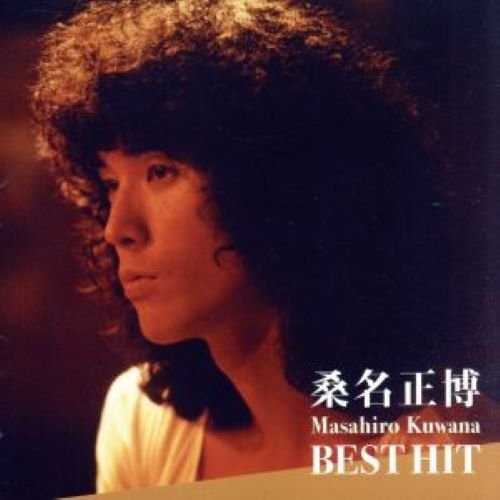
Masahiro Kuwana
“Third Lady” – The alluring edge of sexy rock.
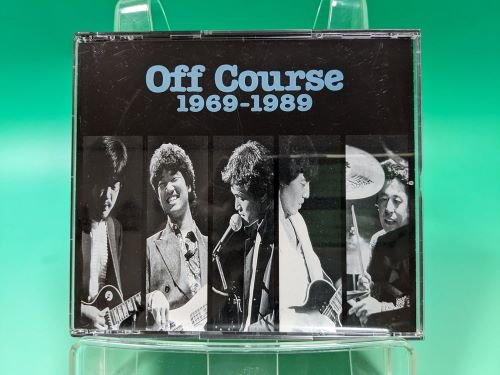
Off Course
“Meguru Kisetsu” – Meticulous harmonies and mellow melodies.
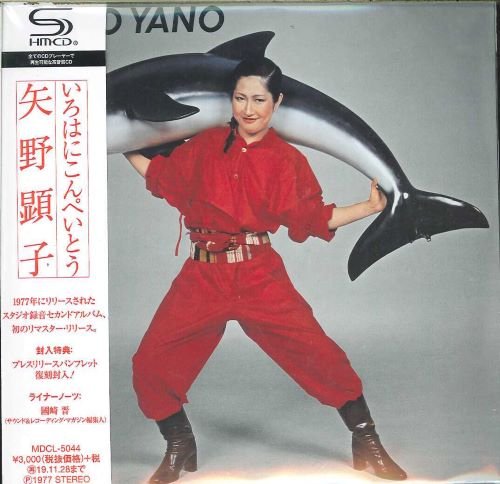
Akiko Yano
“Irohani Konpeitou” – An explosion of free-spirited piano and sensibility.
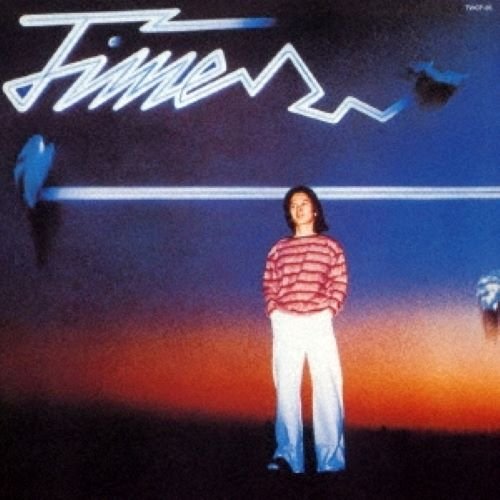
Hiroshi Sato
“Rainbow Sealine” – The man whose piano predicted the future of music.
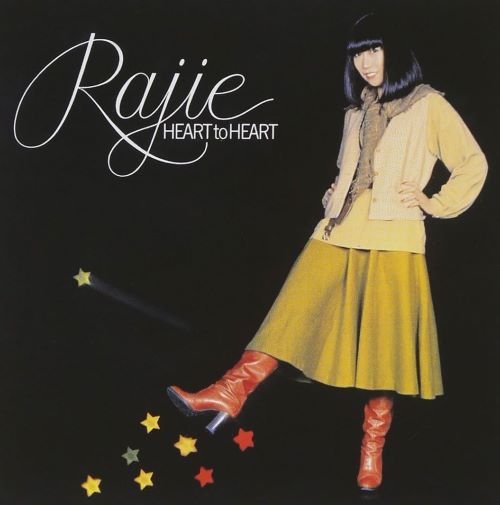
Rajie
“The Tokyo Taste” – The hidden master of the sophisticated city style.
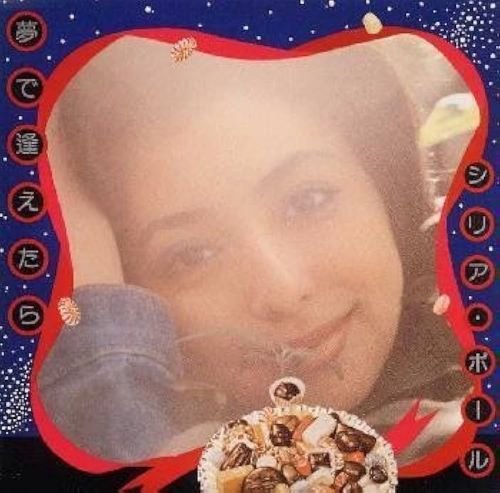
Syrie Paul
“Kyo wa Hoshi ga Kirei” – The crown jewel of the Ohtaki-produced treasures.
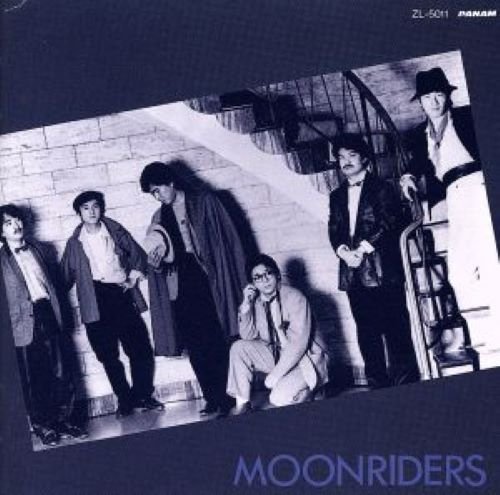
Moonriders
“Scampin'” – Sophisticated rock with a quirky intellect.
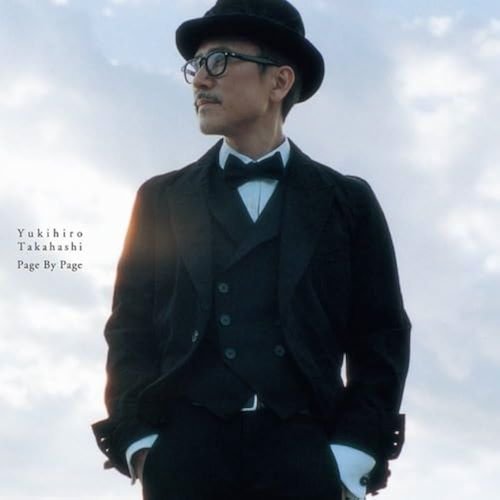
Yukihiro Takahashi
“C’est si bon” – Elegant drums and vocals found in his early solo work.
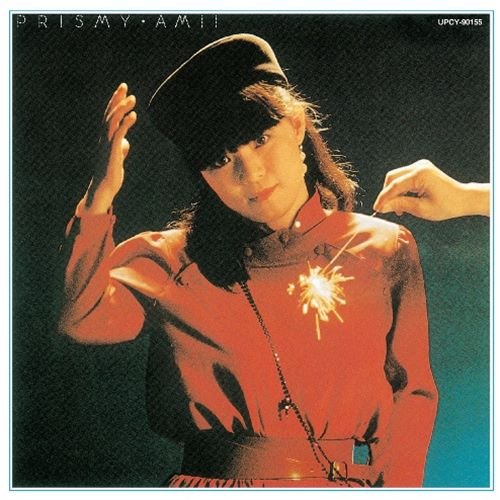
Amii Ozaki
“Stop Motion” – The brilliant and intuitive melody maker.
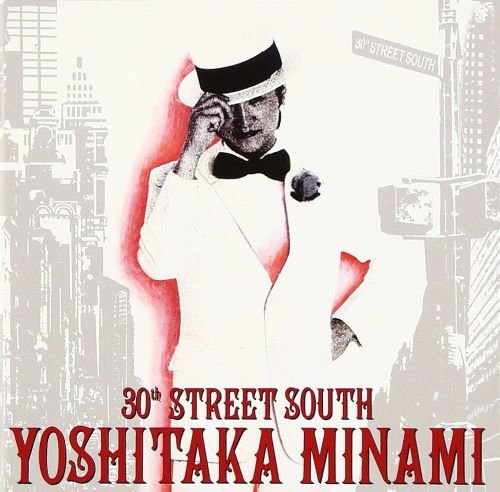
Yoshitaka Minami
“Pool Side” – The laid-back urban afternoon vibe.
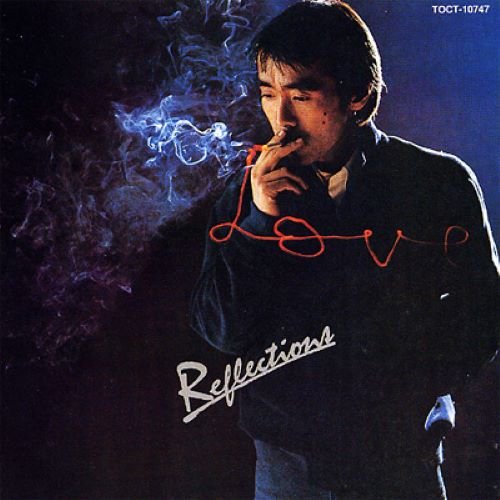
Akira Terao
“Honto ni Hisashiburi dane” – Mature sexiness delivered through deep baritone.

Anri
“Mediterranean Dream” – Refreshing pop that paved the way for the 80s.
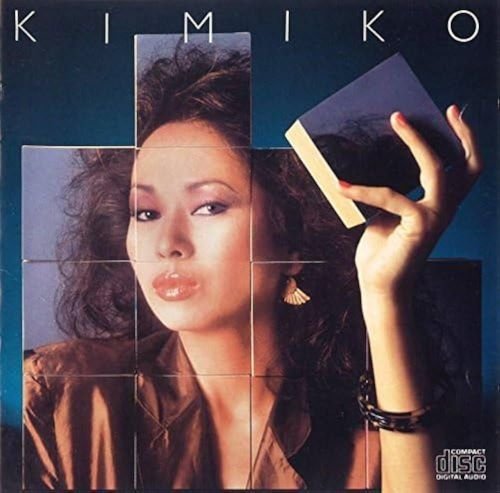
Kimiko Kasai
“Vibration” – The perfect marriage of Jazz and Fusion.
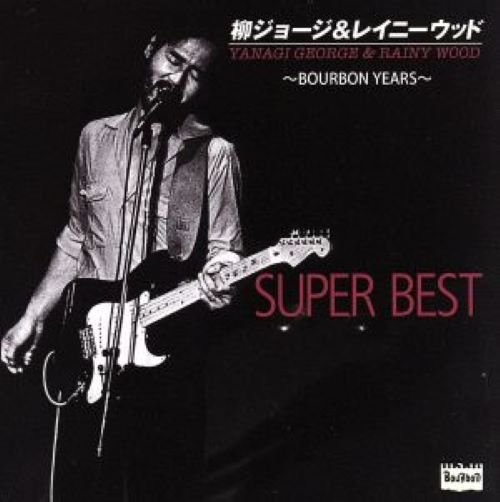
George Yanagi & Rainy Wood
“Bishou no Housoku” – The masterful soul of ‘crying’ blues-rock.
Before City Pop — 1970s Epics
Japan in the 1970s was still rough and restless.
Cities were filled with frustration, violence, and uncertainty.
Police clashes, radical movements, and the raw tension of a country changing too fast.
It is almost hard to imagine now.
But when that chaos slowly began to fade,
a strange emotional emptiness appeared in its place.
And into that space came a new sound.
Rock, folk, kayōkyoku, jazz, and new music —
different styles flowing together,
slowly becoming what the world would later call “City Pop.”
These are the sounds of Japan before the neon dream was complete.
The raw rhythms of a country learning the city.
Start your City Pop journey — the jukebox will open in a new window and start instantly.

comment